Everlane Reviewed: Does Radical Transparency Still Hold Up to Checking?
Sep 24, 2026 · Dana Reyes
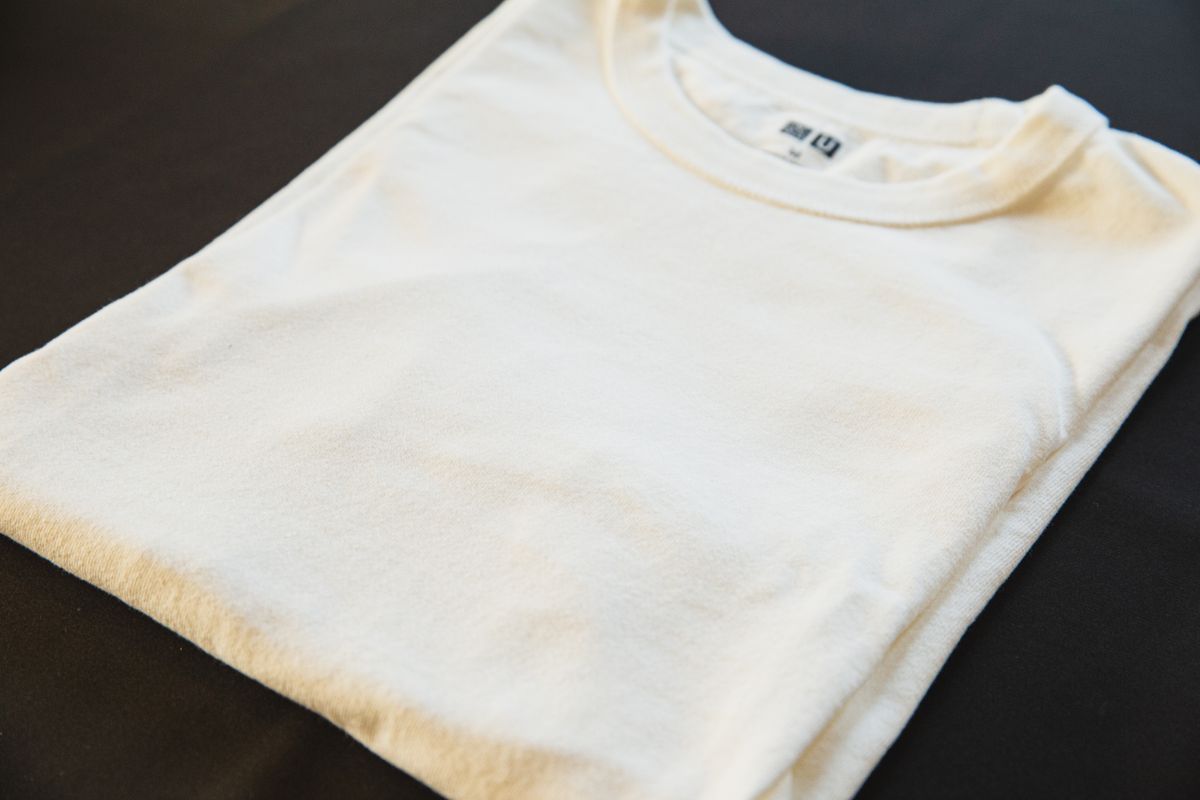
Everlane built a brand on one specific promise: show the customer what a garment costs to make, and what a traditional retailer would have charged for it. The phrase was “radical transparency,” and for several years it came with something like a receipt — materials, labor, duties, transport, then Everlane’s markup next to the industry’s.
This review asks whether that promise is still checkable. We read current Everlane product pages, the company’s supply-chain disclosure, and bylined third-party reviews, and we looked at what happened in 2020 when transparency was demanded of Everlane itself.
The short version: the factory and materials disclosure is still there and still specific. The cost disclosure is not.
What radical transparency promised
The original pitch had two halves. The first was ethical — name the factory, show the conditions, photograph the people who made the clothes. The second was financial — itemise what went into a $50 tee and put Everlane’s markup beside the eight-times markup it said was standard at traditional retail.
The second half was the unusual part. Plenty of brands talk about factories. Very few publish their own margin. That is what made the phrase worth anything, and it is the half that is hardest to find now.
What we checked
We read current product pages for the three categories Everlane is known for — a tee, a pair of jeans and a knit — recording materials, factory location, certifications, price, stock and the on-site review counts. We read the public supply-chain disclosure page and the vendor code of conduct. For independent views we used a Business Insider denim review by executive editor Sally Kaplan and a Strategist review of the carpenter pant. For the 2020 dispute we used reporting from WWD, Fast Company and Teen Vogue. Everything is as of late September 2026.
Where it holds
Factory disclosure survived, and it is per product. The tee page reads “Factory Made in Kandy, Sri Lanka” with a link to the factory. The jean reads Bien Hoa, Vietnam. The knit reads Dongguan, China. That is more locating information than most brands at this price give you.
Certifications are named rather than gestured at. Everlane states it has been an OCS-certified brand since 2022 and explains the split: the OCS 100 standard applies to products with at least 95% certified organic cotton, the OCS Blended standard to blends. The knit carries the Responsible Wool Standard and the Responsible Alpaca Standard.
The cotton claim is quantified. On the product pages we read, Everlane states that over 75% of the cotton it uses is certified organic and that it uses Textile Exchange’s Organic Content Standard to certify products from farm to finished garment. It does not claim 100%, which is the kind of restraint that makes the rest easier to believe.
Denim claims get measured against a named external benchmark. Everlane says it uses Jeanologia’s EIM, described as the industry benchmark for environmental denim wash impact, and that 96% of its washes score low to medium — meaning less water, energy and chemicals than conventional denim. It also says its denim factories recycle up to 98% of their water using ozone washing and air drying, and that fabric is third-party tested from development through pre-production for durability and tear strength.
Independent feedback on the basics is mostly favourable and specific. Kaplan wrote in Business Insider that Everlane jeans mostly run true to size, that the rigid pairs can shrink significantly when washed, and that the quality is close to designer denim at several times the price. The Strategist’s reviewer, writing about the carpenter pant, said the non-stretch cotton canvas holds its shape through several wears and needs no hemming.
On-site review volume is substantial. The tee carried an overall rating of 4.5 out of 5 from 1,815 reviews and the alpaca knit 4.5 out of 5 from 2,543 reviews on the pages we checked.
Where it doesn’t
The cost breakdown is gone. On the current product pages we read, there is no itemised list of materials, labor, duties and transport, and no comparison against a traditional retail markup. Searching those pages for “true cost,” “cost breakdown,” “radical transparency,” “markup” and “duties” returns nothing. What remains is price, factory, materials and certifications. Useful, but it no longer lets you check the fairness claim yourself — you are asked to take it on trust.
The supply-chain page is narrower than the brand’s reputation suggests. It is a California SB657 disclosure, structured around forced labour and human trafficking. It publishes no factory list, no supplier count and no country list. It describes annual semi-announced audits with a ten-day window plus quarterly unannounced observation audits, but the audit firm is described only as an accredited third party and no results, pass rates or findings are published. On wages, the stated standard is legal minimums and correct pay for hours and overtime; the page makes no living wage commitment. The only standard referenced is Everlane’s own vendor code of conduct.
That asymmetry is the pattern. Everlane asks a lot of its suppliers and publishes the answers product by product, but its own consolidated disclosures are thinner than its marketing voice implies.
Then there is 2020. On 27 March that year, Everlane laid off 42 of its 57 remote customer experience team members while that team was organising a union. WWD, Fast Company and Teen Vogue all reported it; Sanders publicly called it union busting on Twitter. Everlane’s statement, given to Teen Vogue, said it let go of 290 people across the company, that 14% of them were on the customer experience team, that 20 customer experience members were moved into full-time roles with benefits, and that the decisions had nothing to do with the unionisation effort. Whatever you conclude about intent, the episode showed a company that had built its name on transparency being far less open when the scrutiny turned inward.
On price, Everlane is mid-market rather than cheap. The tee was $34, the jean $76 marked down from $108, and the alpaca knit $118 when we checked. Whether that markup is fair is exactly the question the original cost breakdown existed to answer, and without it the answer is no longer available to the shopper.
Fit is the recurring complaint. The Strategist reviewer, who likes the carpenter pant, also wrote that Everlane’s fits are all over the place across categories, pointing at narrow shoes, boxy blouses and work pants. That matches the pattern in the review counts: strong for basics, uneven elsewhere.
What to buy
The basics are where the disclosure and the product line up.
The Box-Cut Tee in Essential Cotton is the simplest case: 100% organic cotton, made in Kandy, Sri Lanka, OCS certified, $34, and rated 4.5 out of 5 across 1,815 reviews on Everlane’s own page. If you are comparing tees, our everyday tees comparison runs the same check across brands, and our guide to reading composition tags explains why a single-fibre tee is easier to keep and to recycle.
The Lightweight Loose Wide-Leg Jean is 100% organic cotton from Bien Hoa, Vietnam, at $76. It is the only pick here without a rating, because the page showed just four reviews — too few to mean anything. Sizing is the risk: Kaplan’s advice is to buy your usual size in stretch pairs and consider sizing up in rigid denim.
The Cocoon Crew in Alpaca is the knit pick at $118, made in Dongguan, China, in a blend of 55% alpaca, 30% recycled nylon and 15% wool, certified to the Responsible Alpaca and Responsible Wool Standards, and rated 4.5 out of 5 across 2,543 reviews. It is dry clean only, which is worth knowing before you buy; our wool and knit washing guide covers what that means for how often you will actually wear it.
Sources
Everlane’s product pages supplied the materials, factory, certification, price and review figures; its supply-chain page and vendor code of conduct supplied the audit and wage statements. Independent assessment came from Business Insider’s denim review by Sally Kaplan and the Strategist’s carpenter pant review, with 2020 reporting from WWD, Fast Company and Teen Vogue. Prices and availability change; we re-check on a rolling basis.
FAQ
- Does Everlane still show the true cost of each product?
- Not on the pages we checked in September 2026. Current product pages show price, factory city and country, materials, care and certifications, but not a line-item breakdown of materials, labor, duties and transport, and not a markup comparison against traditional retail. The factory and materials disclosure survived; the cost disclosure did not.
- Where are Everlane clothes made and does it publish a factory list?
- Every product page names the factory city and country, and the three we checked were in Kandy, Sri Lanka, Bien Hoa, Vietnam and Dongguan, China. Everlane's public supply-chain page, which is a California SB657 disclosure, publishes no consolidated factory list, supplier count or country list — the per-product pages are the only factory-level disclosure we could find.
- Are Everlane basics durable and do they run true to size?
- Public feedback is mixed but consistent. A Business Insider review by executive editor Sally Kaplan says the jeans mostly run true to size and that rigid denim shrinks noticeably in the wash. A Strategist review of the carpenter pant praises the non-stretch cotton for holding its shape, while the same writer says Everlane's fits are uneven across categories.
Our picks
Some links below are affiliate links — we may earn a commission at no extra cost to you.
The Box-Cut Tee in Essential Cotton
Best everyday tee100% organic cotton, single fibre, made in Kandy, Sri Lanka and certified to the Organic Content Standard. This is the clearest example of Everlane's surviving transparency: the factory, the fibre and the certification are all on the page, even though the cost breakdown no longer is.
- + 100% organic cotton, no blend
- + Factory city and country named on the page
- + OCS certified
- + Large volume of on-site reviews
- − Box-cut shape will not suit everyone
- − Organic cotton share across the brand is 75%, not all of it
Lightweight Loose Wide-Leg Jean
Best warm-weather denim100% organic cotton denim made in Bien Hoa, Vietnam, OCS certified, marked down from $108 when we checked. Everlane measures its washes against Jeanologia's EIM and says 96% score low to medium, which is a specific claim about water and chemicals rather than a general one.
- + 100% organic cotton, no stretch
- + Wash impact measured against a named external standard
- + Price is low for certified organic denim
- − No meaningful review volume yet on the page
- − Rigid denim can shrink in the wash; sizing up is worth considering
The Cocoon Crew in Alpaca
Best knit pickA 55% alpaca, 30% recycled nylon, 15% wool blend made in Dongguan, China, certified to the Responsible Alpaca and Responsible Wool Standards. Warm and well reviewed, but the recycled nylon is what makes the blend behave, and it is dry clean only.
- + Alpaca-forward blend with certified fibre standards
- + Very large volume of on-site reviews
- + Holds shape better than a pure wool knit
- − Dry clean only
- − 30% recycled nylon means it is not a single-fibre garment
Three Everlane basics, compared on what the product page discloses
| Box-Cut Tee | Lightweight Wide-Leg Jean | Cocoon Crew in Alpaca | |
|---|---|---|---|
| Material | 100% organic cotton | 100% organic cotton | 55% alpaca, 30% recycled nylon, 15% wool |
| Factory named on page | Kandy, Sri Lanka | Bien Hoa, Vietnam | Dongguan, China |
| Certification | OCS 100 | OCS 100 | RAS and RWS |
| Price | $34 | $76 | $118 |
| Care | Machine wash cold | Machine wash cold | Dry clean only |
| Best for | Everyday layering | Warm-weather denim | Cold-weather layering |
Sources
Edited by
Dana Reyes
Researches garment construction, fibre content and brand sustainability claims. Ten years between the retail floor and editorial fact-checking.