How to Wash Wool Sweaters So They Actually Last
Sep 23, 2026 · Dana Reyes
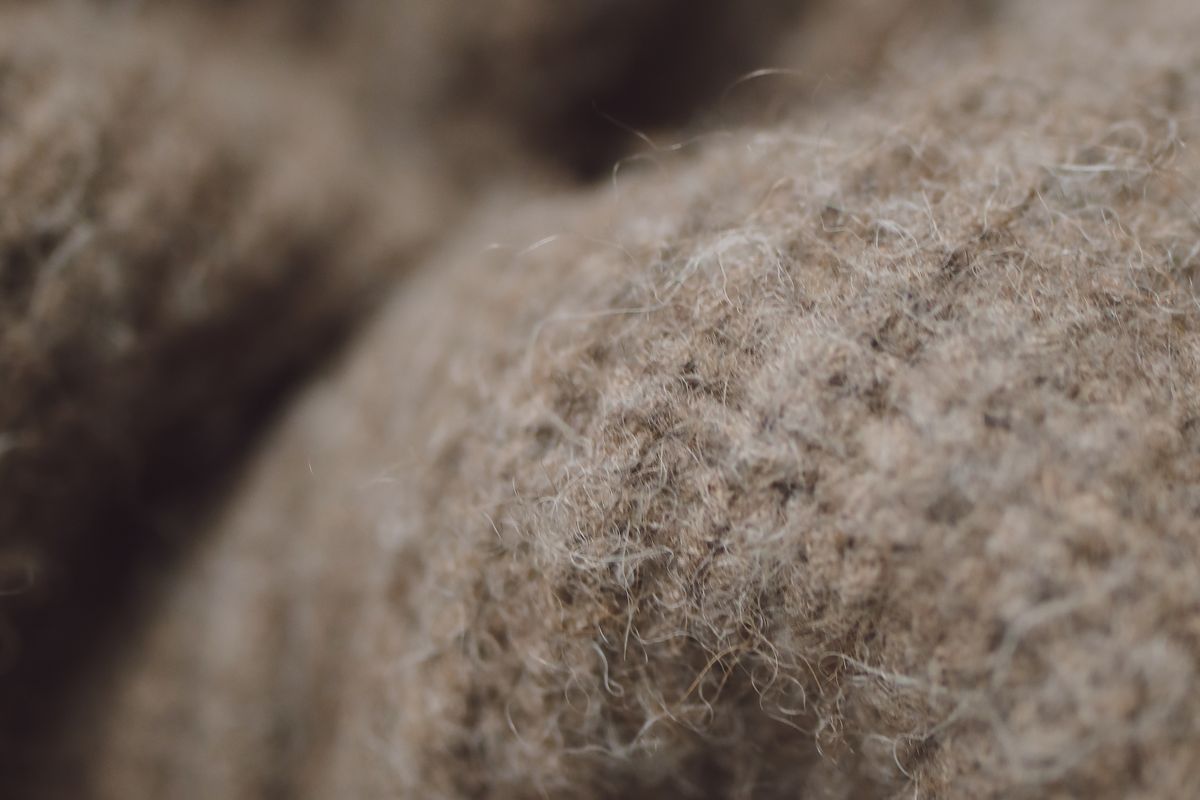
Wool lasts for decades if you treat it right and can be ruined in a single afternoon. Most wool damage is not moths and is not age — it is heat, agitation and a tumble dryer. This guide covers why wool shrinks, what the two labels inside a sweater tell you, and the wash-and-dry routine that keeps knitwear wearable for years. Care is the cheapest sustainability upgrade available to anyone who already owns a sweater.
Why wool shrinks, and why water alone is innocent
A wool fibre is covered in overlapping scales that all point the same way, like roof tiles or the cuticle of a hair. Dry and cool, they lie flat. Add warmth and water and they lift. Add movement — rubbing, wringing, a spinning drum — and the lifted edge of one fibre catches in the gaps of its neighbour and locks. The fibre can travel one way but not back. The fabric gets thicker, denser and shorter, and it does not come undone.
That is felting, and it is a different problem from the other kind of shrinkage. Relaxation shrinkage is the release of tensions put into the yarn during spinning and knitting: it shows up on the first wash and is largely handled by the manufacturer before you buy the garment. Felting shrinkage happens during wet processing with heat and mechanical action, and it is permanent. Only one of the two is your fault.
Three inputs drive felting: moisture, heat, mechanical action. You cannot remove the moisture — you are washing the thing — but you can remove the other two, and that is the entire method.
Read both labels: composition and care
A sweater carries two documents and they answer different questions. The composition tag gives you the fibre and its share; the care label gives you the method. In the US, fibre content must be listed by generic name in descending order of weight, wool carries extra disclosure requirements, and the FTC’s Care Labeling Rule (16 CFR Part 423) requires a permanent care instruction. The EU and UK equivalent, Regulation (EU) No 1007/2011, sets the same descending-order rule and adds a mandatory “contains non-textile parts of animal origin” line whenever a garment carries leather trim, fur, horn or bone.
Practically: a tub symbol with a number in it is both your water temperature and your permission slip. “Machine washable” plus a wool cycle is a green light, “hand wash” means hand wash, and “dry clean only” on a structured piece is about the lining, canvas and shoulder pads, not the fibre — water distorts the internal structure even when the wool would survive.
No fibre name reliably predicts washability. Fine merino is often treated and washable, cashmere and lambswool often are not. Our guide to decoding composition tags covers the rest of what the label tells you.
What “superwash” actually means
Superwash is an industry term for wool given a shrink-resist treatment so it can be machine washed. The best-known commercial route is the chlorine-Hercosett process developed by CSIRO in Australia: chlorine etches the scale edges, then a polymer resin is applied that swells in water and masks what remains. The Woolmark Company, which licenses machine-washable wool, describes the result as still wool — breathable, odour-resistant and biodegradable, modified at the surface rather than wrapped in plastic.
Treated wool is still wool, and hot water plus tumbling will felt it anyway. Superwash names a category of treatments rather than a certified performance level, so the label on the garment stays the authority.
Detergent matters more than technique
Ordinary laundry detergent is built for cotton: alkaline, and usually carrying protease enzymes that digest protein stains. Wool is protein. A wool wash is pH-neutral and enzyme-free, which is the entire point of buying one. Skip bleach, and skip fabric softener, which coats the fibre and flattens the loft.
Hand-washing, step by step
Use cool water, 30°C / 86°F or below, with a wool detergent. Turn the garment inside out, submerge it, and give it a short soak instead of scrubbing. Press the suds through the knit with the flat of your hand; do not rub, twist or wring. Rinse in water at the same temperature, because a sudden temperature change is itself a felting risk. Lift the sweater out supporting its full weight, then roll it in a towel and press the water out.
Machine-washing safely
If the label allows it: wool or delicates cycle, cold water, wool detergent, a mesh bag, and the lowest spin you can select or none at all. Do not fill the drum; wool needs room to move without being worked over. Take the garment out as soon as the cycle ends. A “hand wash” cycle is gentler than a normal one, but it is not a wool cycle, and neither is a substitute for the label.
Drying flat, always
Lay knits flat on a rack or towel, reshaped to their real measurements — shoulders square, sleeves straight, body at its original length. Hanging a wet knit stretches it permanently: water makes wool heavy and gravity does the rest. Tumble drying adds the heat and tumbling that produce felt. Dry away from direct sun and radiators. Woven wool is the exception — a woven garment can dry on a shaped hanger, because there is no knit loop to distort. Knits fold; wovens hang.
Between wears, air instead of washing
Wool resists odour and recovers its shape when rested. Airing a sweater overnight, or hanging it in a steamy bathroom to drop its creases, handles most of what people wash wool for. Treat a mark locally rather than washing the whole garment.
Storage between seasons
The insects that eat wool are larvae, not the moths you see flying. Adult clothes moths do not feed at all; their larvae need keratin, and extension services note they struggle to complete development on clean fabric — it is the sweat, body oils and food residues on a worn garment that make it a usable nursery. Clean before you put anything away.
Fold knits; hang wovens on shaped hangers. Keep storage dry, because moisture plus residual sweat is what yellows wool in a drawer. Breathable cotton bags are the usual recommendation, though some extension services suggest sealed containers — the advice differs, and every version agrees on clean, dry and inspected. Cedar and lavender deter; neither kills an established infestation.
The mistake that costs the most
The error that ends the most sweaters is treating wool like cotton: hot wash, normal cycle, dryer. Cold, gentle, flat. If you remember nothing else, remember those three words.
Where this advice stops applying
A blend behaves like its dominant fibre, so a mostly-acrylic knit with a wool minority will not reward wool handling. Structured or tailored wool with canvas, lining and padding belongs with a cleaner. Leather trim, glued interfacing and metal hardware are all damaged by water and heat regardless of what the wool would tolerate. Boiled wool has been felted by design and is already through the process you are avoiding. And a sweater that has genuinely felted cannot be rescued by any soak: steam and patient stretching will sometimes recover a knit that has merely tightened, but locked fibres stay locked.
A quick reference
Cool water, wool detergent, no wringing, dry flat, never the dryer. “Machine washable” means a wool cycle is acceptable; “hand wash only” means do exactly that. Most ruined wool was never ruined by washing — it was ruined by temperature and tumbling, both of which are choices.
FAQ
- Can you machine-wash wool?
- Often, yes — if the care label says machine-washable and you use a wool cycle with a detergent made for wool. Non-washable wool (most cashmere and fine merino) should be hand-washed. Always follow the composition tag.
- Why did my sweater shrink?
- Heat and agitation, not water alone, cause felting. Hot water, a normal agitation cycle, and tumble drying are the three things that turn wool into felt. Cold, gentle, and flat is the safe path.
- How often should wool be washed?
- Less than you think. Wool resists odor and bacteria; airing between wears is usually enough. Washing a few times a season, not after every wear, extends the fibre's life substantially.
Edited by
Dana Reyes
Researches garment construction, fibre content and brand sustainability claims. Ten years between the retail floor and editorial fact-checking.