tentree Reviewed: What the Ten-Trees Pledge Actually Covers
Sep 24, 2026 · Dana Reyes
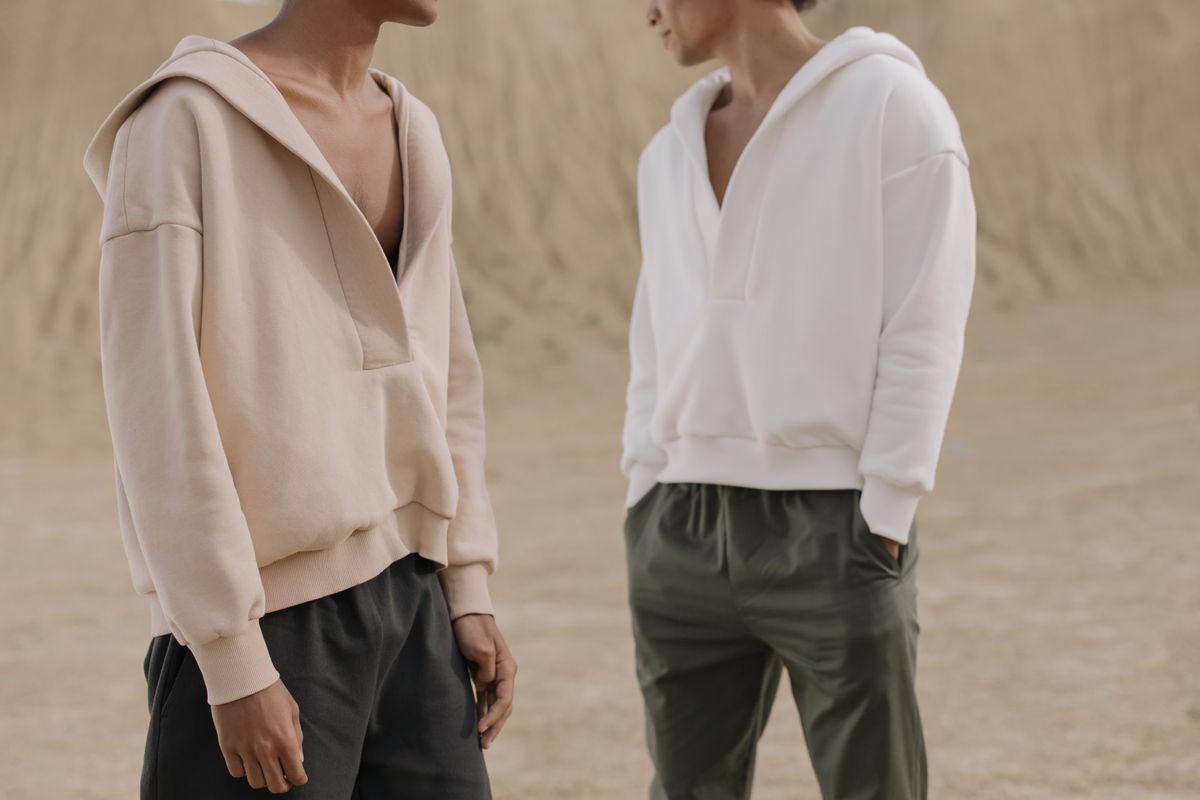
tentree sells one promise above all others: buy one item, fund ten trees. It is a clean idea, and clean ideas are worth pulling apart. This review checks the pledge against what the company actually publishes — its impact report, its tree-planting FAQ, its materials page and its factory list — and marks where the documentation stops and the marketing starts.
What tentree claims
The brand describes itself as a tree-planting company first and an apparel company second. Every item carries a unique code that funds ten trees, with a stated goal of one billion trees by 2030. The homepage runs a live counter; at the time of writing it read 117,846,160 trees funded, and the impact report describes 2024 as a year in which customers funded over nine million trees, taking the running total past 110 million.
Alongside that, the company publishes a set of credentials: B Corp certified since 2016 with a recent re-certification score of 136.2, carbon neutral since 2020, and membership of the Science Based Targets initiative. Registered trees can be followed in the Impact Wallet, which shows species, location and project.
What we checked
We read four categories of public material. First, the impact report and its chapter pages, which carry the planting totals and the project list. Second, the tree-planting FAQ, which explains the code system and fields questions the brand clearly gets asked a lot — including whether the trees survive and whether proof of planting exists. Third, the materials page, which gives fibre percentages for each named blend. Fourth, the ethical manufacturing page, which links a Tier 1 and Tier 2 factory list last updated in May 2026.
We then set that against two outside brand ratings: Good On You, which scores tentree “Good”, and Sustainable Jungle, whose initial rating was assessed from public information in August 2026 and which separates verified accreditations from brand-reported ones.
Where the claim holds
The fabric blends are published with real numbers. This is the part most brands fudge, and tentree does not. TreeBlend is 45% recycled polyester, 30% TENCEL lyocell, 25% organic cotton. TreeFleece is 55% organic cotton, 26% recycled polyester, 19% TENCEL lyocell. TreeLinen is 73% TENCEL lyocell and 27% linen. Those figures are on the brand’s own materials page, and they survive being checked against individual product pages.
| Blend | Composition as published |
|---|---|
| TreeBlend | 45% recycled polyester, 30% TENCEL lyocell, 25% organic cotton |
| TreeFleece | 55% organic cotton, 26% recycled polyester, 19% TENCEL lyocell |
| TreeLinen | 73% TENCEL lyocell, 27% linen |
| TreeWaffle | 56% organic cotton, 41% TENCEL lyocell, 3% elastane |
| InMotion RecFlex | 86% REPREVE recycled polyester, 14% elastane |
The tree ledger is itemised, not pooled. Each garment carries its own code, and registering it unlocks the specific project your purchase funded. That is more than most “one percent” style programmes offer, where your money goes into an undifferentiated pot.
The factory list is unusually open for the price point. Six named facilities across China, India and Vietnam are listed on the ethical manufacturing page, with a downloadable Tier 1 and Tier 2 list and a published code of conduct. If you have ever tried to work out what a fibre label does and does not tell you, a published factory list is the next useful document after the tag.
The credentials are real, even if some are self-declared. B Corp re-certification involves an external assessment, and the 136.2 score the brand publishes puts it high among apparel B Corps. Good On You’s independent rating lands on “Good”.
Where it is mostly marketing
The verification is in-house. Planting data runs through veritree, a platform tentree’s own founders launched in 2019. Blockchain logging is genuinely good at one thing — making sure a seedling is not counted twice — but a platform a company built to audit its own supply chain is not the same as an independent audit. The impact report describes monitoring and ground-level data collection; it does not name an outside verifier for the planting totals.
Ten trees is a funding unit, not an outcome. The pledge counts trees funded, not trees surviving at year five. The brand is candid enough to include “How do I know the trees won’t be cut down?” in its own FAQ, which tells you survival is the question that matters. The published figures are seedlings and project hectares, not sequestered carbon verified after the fact.
The site contradicts itself on the headline number. The US sustainability page still cites “over 85 million trees” from a decade of planting, while the impact report and the homepage counter both put the total well above 110 million. One of those pages is stale. It is a small thing, but a brand whose entire identity is a number should keep that number consistent.
Composition is per-blend, not per-wardrobe. The recycled-and-organic story holds for the cotton and lyocell lines. It thins out in the technical fabrics: InMotion RecFlex is 86% recycled polyester and 14% elastane. Recycled synthetics are better than virgin ones, but a legging made mostly of plastic bottles still plants ten trees, which tells you the tree pledge is a funding mechanism independent of how the garment was made.
Several certifications are brand-reported. Sustainable Jungle’s rating lists B Corp, The Climate Label and SBTi as verified accreditations, and puts GOTS, RWS, GRS, Fair Trade, WRAP and the forest certifications in a separate brand-reported bucket. Third-party raters also note that the wool tentree uses is described as RWS certified or recycled, but that claim traces back to the brand rather than to a published certificate.
The growth model is the tension. More trees get planted when more clothes get sold. That is the deal, and it sits awkwardly next to any argument for buying less.
What to buy
If the blend transparency is what appeals, start with the pieces whose composition the brand publishes in full and whose fabric is not mostly synthetic.
The TreeBlend Baker T-Shirt is the plainest expression of the line: 45% recycled polyester, 30% TENCEL lyocell, 25% organic cotton, listed at $45.
The TreeFleece Atlas Sweatpant uses the 55% organic cotton, 26% recycled polyester, 19% TENCEL lyocell blend, listed at $78. It is the pick if you want the softest of the three fabrics in a piece you will wear weekly.
The Juniper Hoodie is 60% organic cotton and 40% recycled polyester, listed at $88, and it is the heaviest of the three for cold mornings.
For fit and longevity, the public record is thinner than the materials data. Good On You notes the range typically runs XS to XL, which is a narrower size run than the outdoor brands we cover elsewhere, and our own comparison of everyday organic tees found tentree’s cut the most generous of the brands we lined up. Durability reporting is mostly customer-review anecdote rather than structured testing, so treat “it lasts for years” as a sentiment, not a measurement.
Sources
tentree’s impact report and chapter pages, the tree-planting FAQ, the materials page and the ethical manufacturing page with its 2026 factory list; product pages for the three items named above; and the Good On You and Sustainable Jungle brand ratings. Prices and the live tree counter change; we re-check on a rolling basis.
FAQ
- Where does tentree actually plant its trees?
- The brand publishes restoration projects by country rather than by address, and its Impact Wallet shows registered trees by project. The impact report names projects in places including Madagascar, Haiti, Nepal, Cambodia, Senegal, Canada and the United States, plus mangrove and kelp work. You can see which project your code funded, but you cannot choose the plot.
- Is tentree's tree planting verified by anyone outside the company?
- Tracking runs through veritree, the platform tentree's own founders launched. It logs ground-level data and is designed to stop double counting, but it is not an independent audit. The brand's B Corp certification, The Climate Label and SBTi membership are externally assessed; the planting numbers themselves are self-reported.
- Is tentree clothing actually made from sustainable materials?
- Mostly, with caveats. The brand publishes exact percentages for each of its named blends, and organic cotton, recycled polyester and TENCEL lyocell dominate the line. Some performance fabrics are still majority synthetic, and several fibre certifications are listed by third-party raters as brand-reported rather than independently verified.
Our picks
Some links below are affiliate links — we may earn a commission at no extra cost to you.
TreeBlend Baker T-Shirt
Best entry pointThe plainest expression of tentree's TreeBlend fabric: 45% recycled polyester, 30% TENCEL lyocell, 25% organic cotton, with the percentages published on the product page rather than implied. The cheapest way to test whether the cut and hand-feel suit you.
- + Full fibre split published
- + Lightest price in the line
- + Traceable tree code per garment
- − Majority synthetic by fibre share
- − Slim size run (XS–XL)
TreeFleece Atlas Sweatpant
Best fabric storyBuilt from the 55% organic cotton, 26% recycled polyester, 19% TENCEL lyocell blend tentree publishes under the TreeFleece name. The most defensible of the three on fibre content, and the piece most likely to be worn weekly.
- + Organic cotton is the largest share
- + Brushed-back fleece, holds shape
- + Full fibre split published
- − Heavier than a three-season bottom
- − Still a third synthetic fibre
Juniper Hoodie
Best for cold morningsA 60% organic cotton, 40% recycled polyester heather fleece with the highest natural-fibre share of the three picks. The warmest of the set and the one that reads least like technical apparel.
- + Highest organic cotton content here
- + Breathable midweight fleece
- + Regular fit layers over a tee
- − Priciest of the three
- − Some colourways marked final sale
Three tentree staples, on fibre split, role and price as listed on tentree.com
| TreeBlend Baker T-Shirt | TreeFleece Atlas Sweatpant | Juniper Hoodie | |
|---|---|---|---|
| Published blend | 45% recycled polyester, 30% TENCEL lyocell, 25% organic cotton | 55% organic cotton, 26% recycled polyester, 19% TENCEL lyocell | 60% organic cotton, 40% recycled polyester |
| Role | Everyday tee | Loungewear / layering bottom | Midweight layer |
| Price as listed | $45 | $78 | $88 |
| Trees funded per item | 10 | 10 | 10 |
| Pick for | Cheapest entry to the line | Softest published blend | Cold mornings |
Sources
Edited by
Dana Reyes
Researches garment construction, fibre content and brand sustainability claims. Ten years between the retail floor and editorial fact-checking.