Quince Reviewed: What the 'No Markup' Claim Actually Covers
Oct 1, 2026 · Dana Reyes
There is a version of fine print that hides in plain sight, and Quince’s is a good example: the whole business model is the claim. “Luxury quality without the markup” is printed across the site, and the mechanism — direct-to-consumer, factory-direct, no middlemen — is stated as if it were itself a sustainability credential. We checked Quince’s published claims against its own current pages, the same way we have done for Everlane’s transparency and Allbirds’ carbon work. The pattern that emerges is familiar: some certificates that check out, a pricing argument that is half true, and a large silence where a company-wide record should be.
The claim, restated plainly
Quince positions itself as cutting out the “traditional retail markup” on goods made in “the same factories” as luxury brands. Its product pages carry material stories — Mulberry silk, Mongolian cashmere, washable silk — alongside phrases like “responsibly made” and references to factory audits. A sustainability page speaks of responsible sourcing, eco-friendly packaging, and partnership standards.
Three things are being claimed at once, and they deserve separate treatment: that the prices are lower than a hypothetical alternative; that the factories are vetted; and that the materials are what the pages say they are. Only the third is a certificate question. The first two are framing questions, and framing is where the fine print lives.
What checks out: product-level certificates
Individual Quince products do carry named standards. Several cotton items point to OEKO-TEX certification, which tests finished textiles for a defined list of harmful substances. Some of its organic cotton line references GOTS. Where a specific certificate is named, the claim is the verifiable kind — our GOTS guide explains what a valid label must carry, and the same discipline applies to any standard name on a product page: a standard with a number beats an adjective every time.
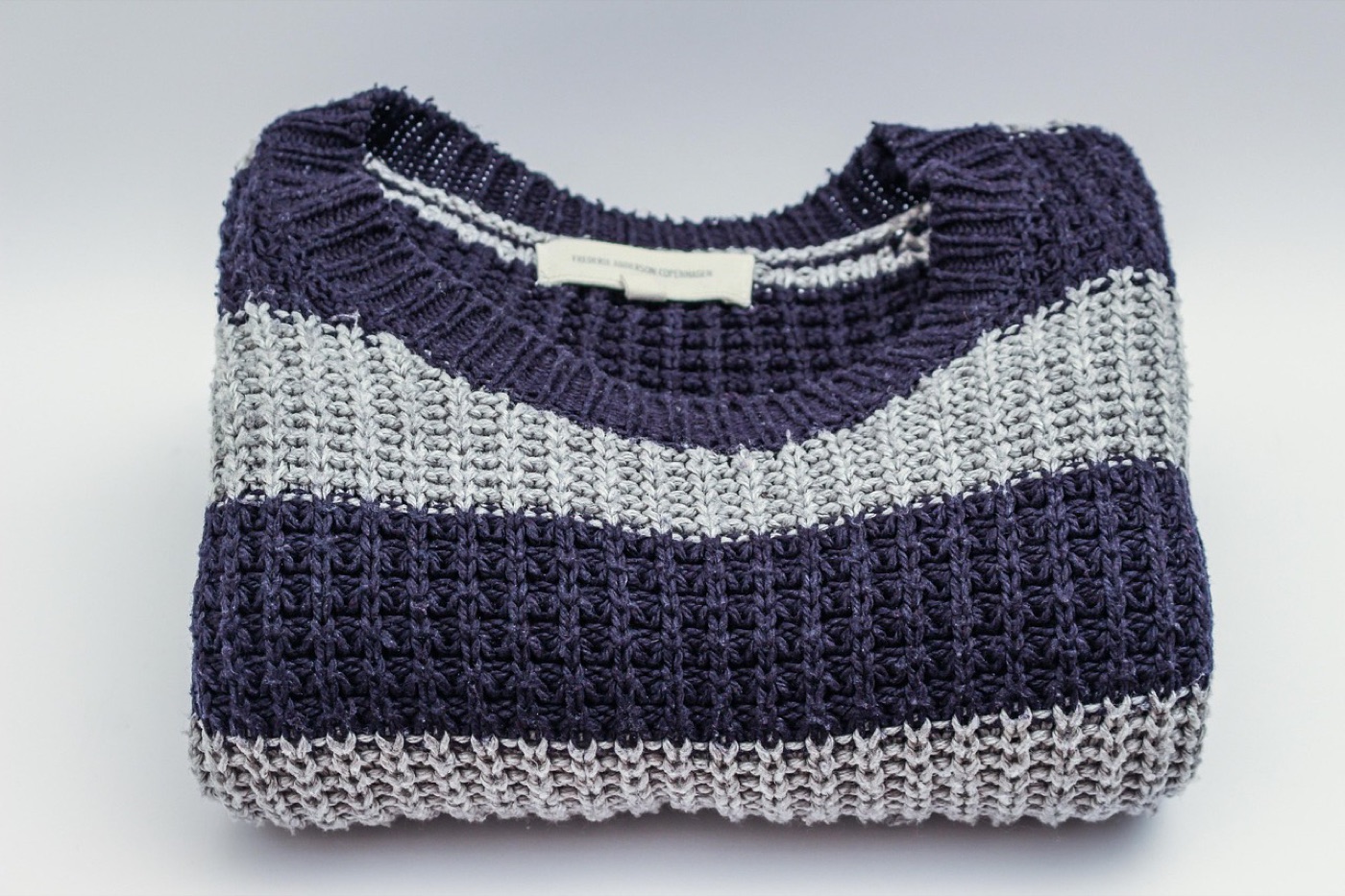
Here is the scope question, though, and it is the one this site keeps asking: the certificate covers the product; it doesn’t cover the company. A GOTS certificate on one sweater says nothing about the other ninety percent of the line, the dye houses, or the wages at the sewing floor. Quince’s catalog is large, and certified items sit inside it the way islands sit in water. A shopper who concludes “this brand is sustainable” from one certified sweater has done the marketing’s work for it.
The audits: named, but not shown
Quince states that its factories are audited against recognized social compliance standards — the phrasing on its pages has referenced programs of the kind that BSCI and SMETA belong to. That is more than some brands offer, and less than it appears. A social audit regime, as a category, verifies a factory on the day of inspection against a code of conduct; it does not set or secure a single wage, it does not protect a worker’s right to organize, and it is not public. Without a published factory list, a shopper cannot verify that a given garment came from an audited facility at all. The claim has a shape and no address.
Compare what a real disclosure looks like: a named list of Tier 1 factories with locations and workforce numbers, updated annually. Some mid-size brands publish exactly that. It costs nothing to publish and it is the baseline we should expect from any company whose pitch is “we cut out the middlemen” — because the middleman narrative is precisely a claim about factories.
The pricing claim, given the same treatment
“No markup” is doing quiet work. The comparison prices on Quince pages are asserted retail prices for hypothetical equivalent goods; nobody can verify a price for a product that does not exist. What can be said honestly: direct-to-consumer removes some distribution cost, so similar goods can be sold for less — our sneaker reviews show the same model in footwear. But the gap Quince advertises measures its own product against a fictional alternative, and the more honest comparison is against actual mid-market goods, where the savings shrink. None of this is dishonesty in a legal sense. It is the vocabulary of evidence applied to a claim that cannot be tested, which is the softest form of green-adjacent marketing there is.
What the fine print never mentions
Now the silences, which are the part I find most informative. No published factory list. No B Corp certification or equivalent whole-company assessment — our explainer on what B Corp covers for clothing brands details what that standard would commit them to. No sustainability report with a material-share percentage, a baseline year, or a target someone can fail to hit. No climate commitment with numbers attached. The brand’s page speaks the language of responsibility in paragraphs and the language of verifiability in isolated product tags.
Read those two facts side by side and the position clarifies: Quince sells certified products under an uncertified company. That is a legitimate business arrangement. It is not a sustainability story, and the distance between those two sentences is exactly the distance this site exists to measure.
The verdict, and who it suits
As a value proposition, Quince is coherent: pay less for mid-premium basics, accept that the provenance story stops at the product tag. If you go in with that frame, the certified items are reasonable picks and the silk-and-cashmere pages are what they appear to be at the fibre level. As a sustainability proposition, it does not survive the read — there is no audited whole to believe in, only a scatter of certificates doing more work in your imagination than they do on paper.
The practical takeaway: buy the item, verify the tag, skip the narrative. And when any brand’s core pitch is what you are not paying for, spend the ten minutes our greenwashing routine takes before letting the pitch substitute for evidence. The fine print in “factory direct” is the same size as everywhere else. It is just printed larger.
FAQ
- Is Quince a sustainable brand?
- It is better described as a brand with some certified products and no company-wide sustainability record. Individual items carry standards like OEKO-TEX or GOTS, but Quince publishes no factory list, no material share percentages, and no audited targets. Judge it product by product, not as a whole.
- Does 'factory direct' mean the workers are treated well?
- No. Skipping intermediaries changes who captures the margin; it says nothing about wages or conditions at the sewing floor. The relevant evidence is named social audit standards and, better, published factory lists — neither of which Quince provides in detail.
- Are Quince's prices actually lower for the same quality?
- Sometimes, for some categories. The comparison price on its product pages is a hypothetical retail price, not an observed one. Against comparable goods at mid-market retailers, the savings are real but smaller than the framing implies.
Edited by
Dana Reyes
Researches garment construction, fibre content and brand sustainability claims. Ten years between the retail floor and editorial fact-checking.