Laundry Microfiber Filters: What Wash Bags, Balls and Drain Filters Catch
Oct 11, 2026 · Dana Reyes
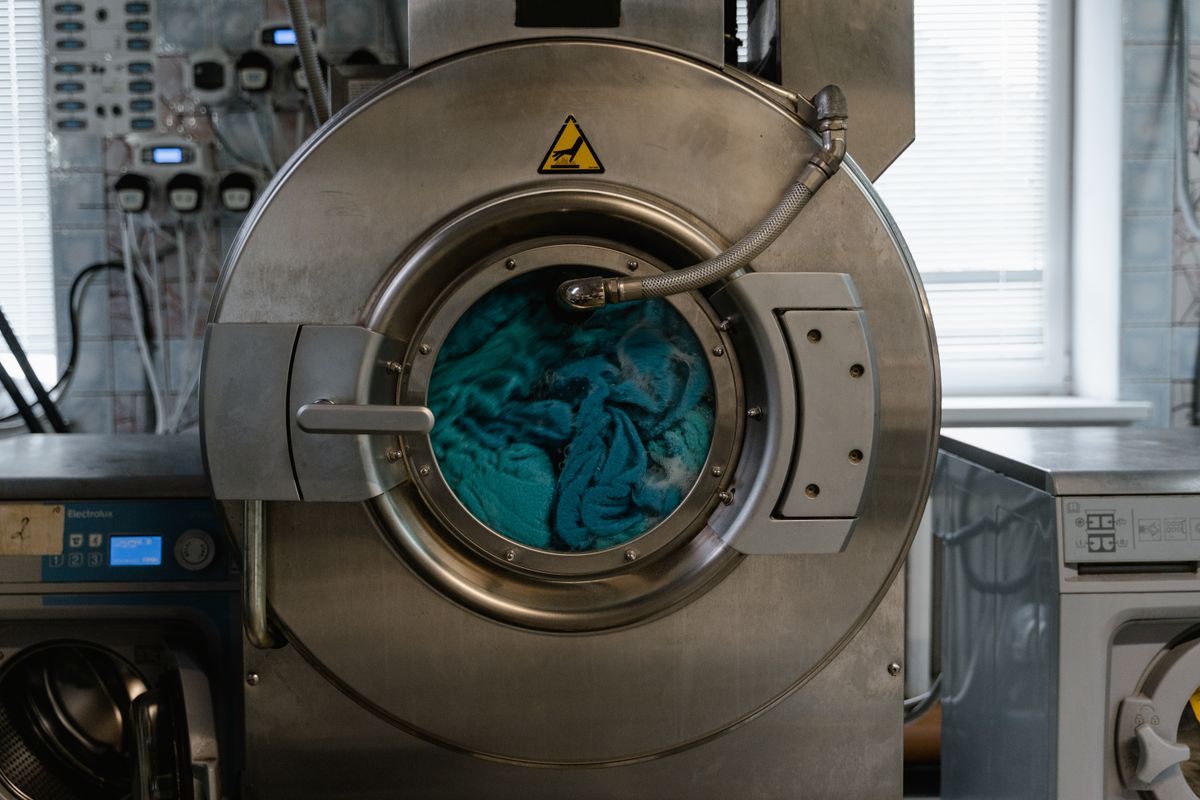
Every wash of a synthetic garment releases microfibres into the drain, and a small industry of capture devices — wash bags, in-drum balls and external filters — has grown up around that fact. The studies behind them are thinner than the marketing, and they disagree in instructive ways.
What the studies found
Two peer-reviewed comparisons anchor the evidence, and they do not agree.
The first, McIlwraith et al. (2019) in Marine Pollution Bulletin from the University of Toronto, working with Ocean Conservancy, tested devices on fleece blanket effluent. An external Lint LUV-R filter captured about 87% of microfibres, a Filtrol unit about 89%, and the in-drum Cora Ball about 26%.
The second, Napper et al. (2020) in Science of the Total Environment from the University of Plymouth, tested six devices and got different numbers. XFiltra led at about 78%; the Guppyfriend wash bag captured about 54%, apparently working mainly by reducing shedding rather than trapping loose fibres. In the same study the Lint LUV-R and PlanetCare filters scored only about 29% and 25%, with mesh coarser than 175 micrometres against XFiltra’s 60.
Manufacturer claims sit at the top of the range: Guppyfriend advertises a 79-86% reduction and PlanetCare up to 98%. The gap between claims and independent measurements is the single most useful fact in this category.
The three device types
Wash bags (Guppyfriend). A fine-mesh bag you wash synthetics inside. No installation, but load size is limited and captured fibres must be picked out of the seams by hand.
In-drum balls (Cora Ball). Cheap and plumbing-free. Capture is modest in every study, and the collected fibres still end up in your bin.
External filters (Lint LUV-R, Filtrol, PlanetCare, XFiltra). Plumbed into the drain hose, they captured the highest shares in the Toronto study but varied widely in Plymouth — capture appears to depend heavily on mesh fineness and flow design. All of them require disciplined cleaning.
| Device type | Best independent result | Main limitation |
|---|---|---|
| Wash bag | About 54% (Plymouth, 2020) | Small loads; manual cleaning |
| In-drum ball | About 26% (Toronto, 2019) | Modest capture |
| External filter | About 78-89% (two studies) | Install, design variance, upkeep |
Habits that outperform gadgets
The free levers are unglamorous: wash synthetics less often, use cold water, run full rather than half loads, and line-dry where you can. Dryers are a second exit — a 2020 PLOS ONE study traced fibres from a vent out to 30 feet, most within 5 — so cleaning the lint trap every load matters.
Detergent choice is not a lever. A 2018 Environmental Pollution study found softener cut release by more than 35%; a 2020 Northumbria and P&G multicycle study found no significant effect from detergent or softener. Pick detergent on cleaning, not microfibres.
The garment-level picture matters more than any device. Our recycled polyester explainer covers why synthetics shed regardless of whether the fibre is virgin or recycled, and removing pilling from knitwear addresses the same abrasion from the other side. Washing technical jackets less often and reproofing instead — see reproofing a rain jacket — cuts fibre release and wear at the same time.
The plumbing question
No standard washing machine ships with a microfibre filter. California’s AB 1628 would have required one in new machines sold in the state from January 2029, but it was vetoed in October 2023 over consumer costs. Until machines filter by default, the retrofit external filter is the only option with study-backed capture in the high double digits — if your laundry setup allows one.
FAQ
- Do microfiber laundry balls work?
- Modestly. In the University of Toronto study published in Marine Pollution Bulletin, the Cora Ball captured about 26% of microfibres from fleece blanket effluent, and the Plymouth device study put it in a similar range. That is a partial reduction rather than a solution, and its advantages are convenience and price rather than capture rate. The captured fibres still need to be removed from the ball and thrown away by hand.
- What is the most effective microfiber filter for a washing machine?
- External drain-hose filters captured the highest shares in the peer-reviewed tests — about 87% for a Lint LUV-R in the Toronto study and about 78% for XFiltra in the Plymouth study — but the Plymouth study scored two other external filters at only 25% and 29%, apparently because of mesh coarseness and design. Whichever unit you buy, maintenance is part of the specification: a filter you do not empty captures nothing.
- Does washing in cold water reduce microfiber shedding?
- Cold washing is the standing recommendation from Ocean Wise and similar bodies, and it is better for garment longevity regardless of the shedding question. The direct evidence is mixed — one 2018 study found softener cut release by more than 35%, while a 2020 multicycle study found no significant detergent or softener effect — so treat cold water and full loads as cheap, sensible defaults rather than a fix.
Edited by
Dana Reyes
Researches garment construction, fibre content and brand sustainability claims. Ten years between the retail floor and editorial fact-checking.