Nudie Jeans Reviewed: What Free Repairs Forever Actually Covers
Nov 12, 2026 · Dana Reyes
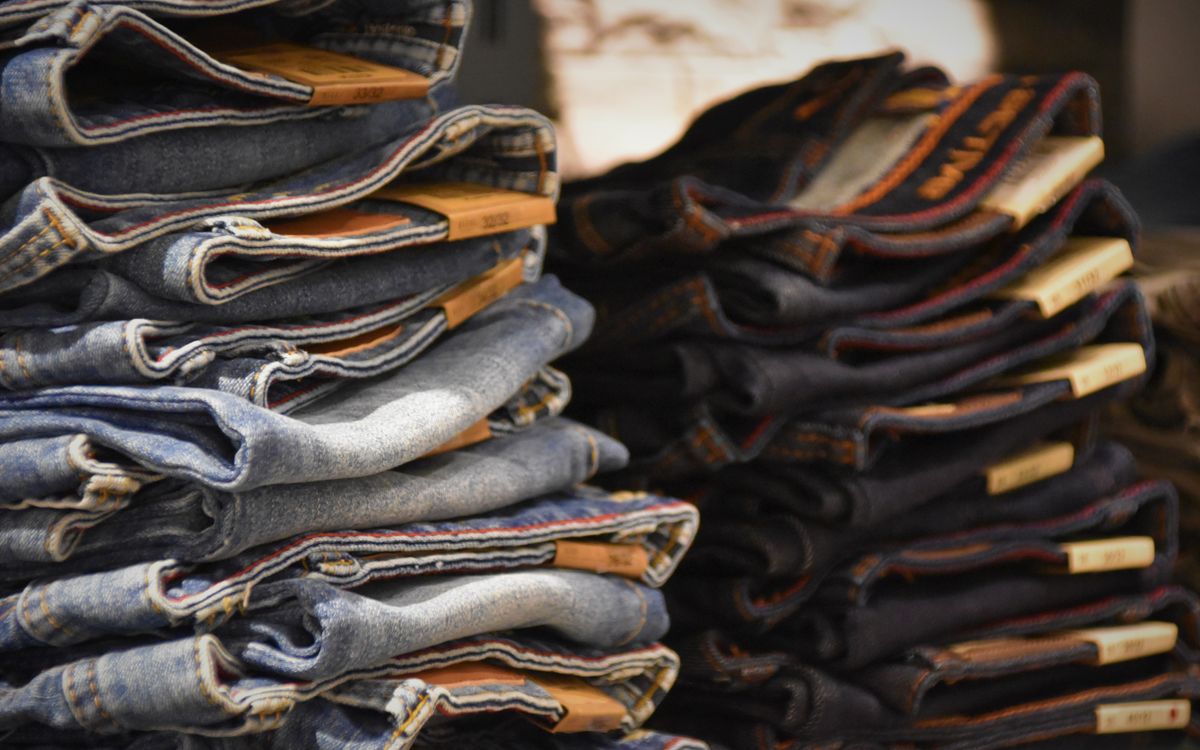
Nudie Jeans has been telling the same story since 2001: jeans are meant to be repaired, not replaced. The Gothenburg company, founded by Maria Erixon Levin and Joakim Levin, runs free repairs for life on everything it sells, takes worn-out pairs back, and claims every jean it makes is cut from certified organic cotton. That is a strong set of promises, and promises in sustainable fashion have a way of dissolving under a checklist. This review checks the published materials the way a careful shopper would: what the repair program actually covers, what the organic and fair-labor claims are backed by, and where the gaps sit. We are grading documents and stated policy, not vibes.
The repair promise is the whole brand
Most denim brands treat a torn pair as your problem. Nudie treats it as its own, and has since 2007, which the brand’s own materials describe as the year it started repairing jeans. The published offer has three routes. You can walk into one of its repair shops, where jeans are fixed free of charge. You can mail a pair in for repair. Or you can order a free repair kit — denim patches, thread, needles — and do the work at home with the brand’s online guides. The brand also collects worn-out pairs, reselling the ones worth reselling and recycling the rest.
This is the rare sustainability claim that costs the company something. A repair program consumes labor, shop space and shipping without selling a single additional garment, and it works directly against replacement sales. That is why we treat it as the center of the brand’s credibility rather than a marketing garnish. If you want a framework for how a repair promise changes the value of a purchase, our review of Patagonia’s Worn Wear and repair programs covers the same logic from another angle.
There are practical limits, and the brand’s own pages do not hide them. The free service covers Nudie Jeans products, not any jean you own. Mail-in repair means weeks without the pair. And a repair is only worth doing when the jean still fits and still gets worn — no program can fix a purchase you should not have made. Our guide to buying jeans starts with fit and use for exactly that reason.
What we checked
We read Nudie Jeans’ product pages, its repair and take-back materials, its stated cotton sourcing policy, and third-party assessments of its labor record. For the picks we verified current product pages on the brand’s own US-dollar storefront, including fabric weight, fly type, fit and price. We cross-checked the labor claims against Fair Wear’s published performance checks and against an independent brand directory review.
We did not wear-test any pair, wash any pair 30 times, or count anyone’s fades. The judgment here is narrower: whether the published claims are specific, attributable and consistent across the brand’s own materials, and whether the product pages support the story the brand tells about itself.
Where the claim holds
The organic cotton claim is unusually clean. Nudie states that all of its jeans are made with 100% certified organic cotton — not an organic capsule sitting beside a conventional main line — and its product pages carry the claim consistently, from a $195 prewashed fit to its Japanese selvedge models. The brand’s materials describe organic farming as grown without artificial fertilizers, pesticides or genetically modified seeds. If you want to know what that certification actually requires of a farm and a mill, our GOTS explainer covers the audit chain. A few current fits go further, using cotton the brand calls regenerative organic, with published claims about soil health and biodiversity on top of the organic baseline.
The labor record is real and independently scored. Nudie has been a Fair Wear member since 2009, and Fair Wear’s published performance checks place it in the Leader category — the top band. The most recent check scores the brand 91 out of 100, a figure the independent directory good-brands.earth calls the highest it has recorded among the brands it tracks. Fair Wear audits how a brand actually buys: order timing, payment terms, the things that quietly force overtime in a sewing factory. A high score there is harder to earn than a fiber certification.
The repair program is specific and old. Repairing since 2007 is verifiable against the brand’s own published history, and the three routes — shops, mail-in, free kit — appear consistently across its materials. The company also publishes its supplier list, which is the disclosure most brands stop just short of.
Where it doesn’t
The price is the entry barrier and the brand does not pretend otherwise. Jeans run $195 to $280 on its own storefront. The repair program is what earns that back, and only if you actually keep the jeans long enough to need it. A pair replaced in two years — because the fit was wrong, not because the denim failed — never recovers the premium.
Raw denim is a commitment the brand leans into. Its dry selvedge pages recommend around six months of everyday wear before the first wash so the fades set to your body. That is the point of the fabric, and it is a real ask if you want jeans that look presentable on a Tuesday. Some fits in the line use stretch denim, which trades some of the aging character for comfort and adds a synthetic fiber that complicates end-of-life recycling.
Fair Wear’s own assessment, as summarized by independent reviewers, still lists living wages as a live item rather than a solved one — the brand has a time-bound plan and the score reflects progress, not completion. And for all the directory listicles that call Nudie a B Corp, it is not one; B Lab’s directory does not list it. The certifications it actually holds are Fair Wear membership and GOTS-certified organic cotton, which are strong, but the record should be described as what it is.
Finally, the program’s reach is the brand’s own products. It will not repair your other jeans, and the take-back loop ultimately feeds Nudie’s own resale and recycling, not a general waste solution for the denim industry.
One more boundary worth naming: the organic claim covers the cotton, not everything that happens to it. Dyeing, finishing and the transport between a Tunisian or Italian factory and a warehouse are part of a jean’s footprint, and the organic label on the fibre does not describe those stages. Nudie publishes more supply-chain detail than most denim brands, but a reader looking for a full life-cycle account of a specific pair will not find one — few brands publish one, and Nudie is not an exception here.
What to buy
The line is large and the fits change names often, so we picked three current models that cover three different buying situations: a straightforward prewashed daily pair, a roomier regenerative-cotton option, and the raw selvedge the brand is built on. Prices are the brand’s published US-dollar prices as of writing; check the product pages for current washes and stock.
Gritty Jackson Cool Blue
The Gritty Jackson Cool Blue is the easiest entry into the brand: a regular-fit straight leg in 11.8 oz rigid organic denim, mid-blue with a cool cast, zip fly, made in Tunisia. It is prewashed, so it looks finished on day one and asks nothing of you except washing it rarely. This is the pair to choose if you like the brand’s repair promise but have no interest in a raw-denim ritual.
Steady Eddie II Sand Storm
The Steady Eddie II Sand Storm is a regular-fit tapered jean in 14.2 oz rigid denim from regenerative organic cotton, with a button fly, made in Tunisia. The tapered cut suits a narrower ankle and boots, and the heavier fabric will take longer to break in than the Cool Blue. Choose it if you want the brand’s most substantive fabric story and a fit with a bit more shape through the leg.
Gritty Jackson Dry Selvage
The Gritty Jackson Dry Selvage is the heritage piece: regular-fit straight leg in 13.75 oz Japanese selvedge denim woven by Kaihara, zip fly, made in Italy. The brand’s own materials are unusually candid that this fabric — its first selvedge denim, used since 2001 — is the reason the company exists. It is a raw, greencast denim meant to fade to your body over months of wear, so read our raw denim care guide before the first wash. Choose it if you want the aging process to be part of the purchase; skip it if you want a finished look out of the box.
Sources
We used Nudie Jeans’ product pages, repair program materials, cotton sourcing statements and company history as published on its own storefront; Fair Wear’s published performance checks and membership record; and the independent review of the brand on good-brands.earth. Product availability, washes and prices change; the product pages remain the source of record. We omitted review ratings because the brand’s storefront does not publish a verifiable review count for these models.
FAQ
- Are Nudie Jeans repairs really free?
- The brand's published policy says yes: repairs are free for the life of the jeans, through its own repair shops, a mail-in service, or a free repair kit you can use at home. The service covers Nudie Jeans products only, and mail-in repairs mean time without the jeans.
- Is all Nudie Jeans denim organic?
- The brand states that 100% of its jeans are made from certified organic cotton, with some fits in regenerative organic cotton. That is an unusually clean record for a denim company, though organic cotton addresses farming inputs, not washing, dyeing or transport impact.
- Are Nudie Jeans worth the price?
- At $195 to $280 for a pair, they cost more up front than most mall denim. The math works if you actually keep and repair them; a pair you replace in two years never recovers the premium. The free repair program is the part doing the heavy lifting.
Our picks
This section contains affiliate links; we may earn a commission when you use them, at no extra cost to you.
Gritty Jackson Cool Blue
Easiest entryRegular-fit straight leg in 11.8 oz rigid organic denim, prewashed to a mid-blue with a cool cast. Zip fly, made in Tunisia. The pick when you want the repair program without a raw-denim learning curve.
- + 100% certified organic cotton
- + Prewashed, no break-in ritual
- + Entry price of the line
- − Lighter fabric than the heavier fits
- − Finished wash, less personal fading
Steady Eddie II Sand Storm
Heaviest fabricRegular-fit tapered jean in 14.2 oz rigid denim from regenerative organic cotton, with a button fly, made in Tunisia. The pick for a shaped leg and the brand's most substantive fabric story.
- + Regenerative organic cotton
- + 14.2 oz rigid denim
- + Button fly, copper trims
- − Tapered cut is unforgiving on fit errors
- − Heavy fabric needs a break-in period
Gritty Jackson Dry Selvage
Heritage raw denimRegular-fit straight leg in 13.75 oz Japanese selvedge denim from Kaihara, the mill whose fabric the brand has used since 2001. Raw greencast denim meant to fade to the wearer, made in Italy.
- + Japanese selvedge denim by Kaihara
- + Raw denim with documented aging character
- + Made in Italy
- − Months of wear recommended before first wash
- − Top price of the three
Three current Nudie Jeans models, compared on the details published on the brand's own product pages
| Gritty Jackson Cool Blue | Steady Eddie II Sand Storm | Gritty Jackson Dry Selvage | |
|---|---|---|---|
| Cotton | 100% organic cotton | 100% regenerative organic cotton | 100% organic cotton |
| Fabric | 11.8 oz rigid denim | 14.2 oz rigid denim | 13.75 oz Japanese selvedge denim (Kaihara) |
| Fly | Zip fly | Button fly | Zip fly |
| Fit | Regular, straight leg | Regular, tapered leg | Regular, straight leg |
| Made in | Tunisia | Tunisia | Italy |
| Price (US storefront) | $195 | $195 | $280 |
| Break-in | Prewashed, none needed | Heavy but prewashed | Raw, months of wear before first wash |
| Pick for | First pair, zero ritual | Heavier fabric, shaped leg | Fades earned over years |
Sources
Edited by
Dana Reyes
Researches garment construction, fibre content and brand sustainability claims. Ten years between the retail floor and editorial fact-checking.