Raw Denim Care: The First Wash, the Fades and the Myths
Oct 6, 2026 · Dana Reyes
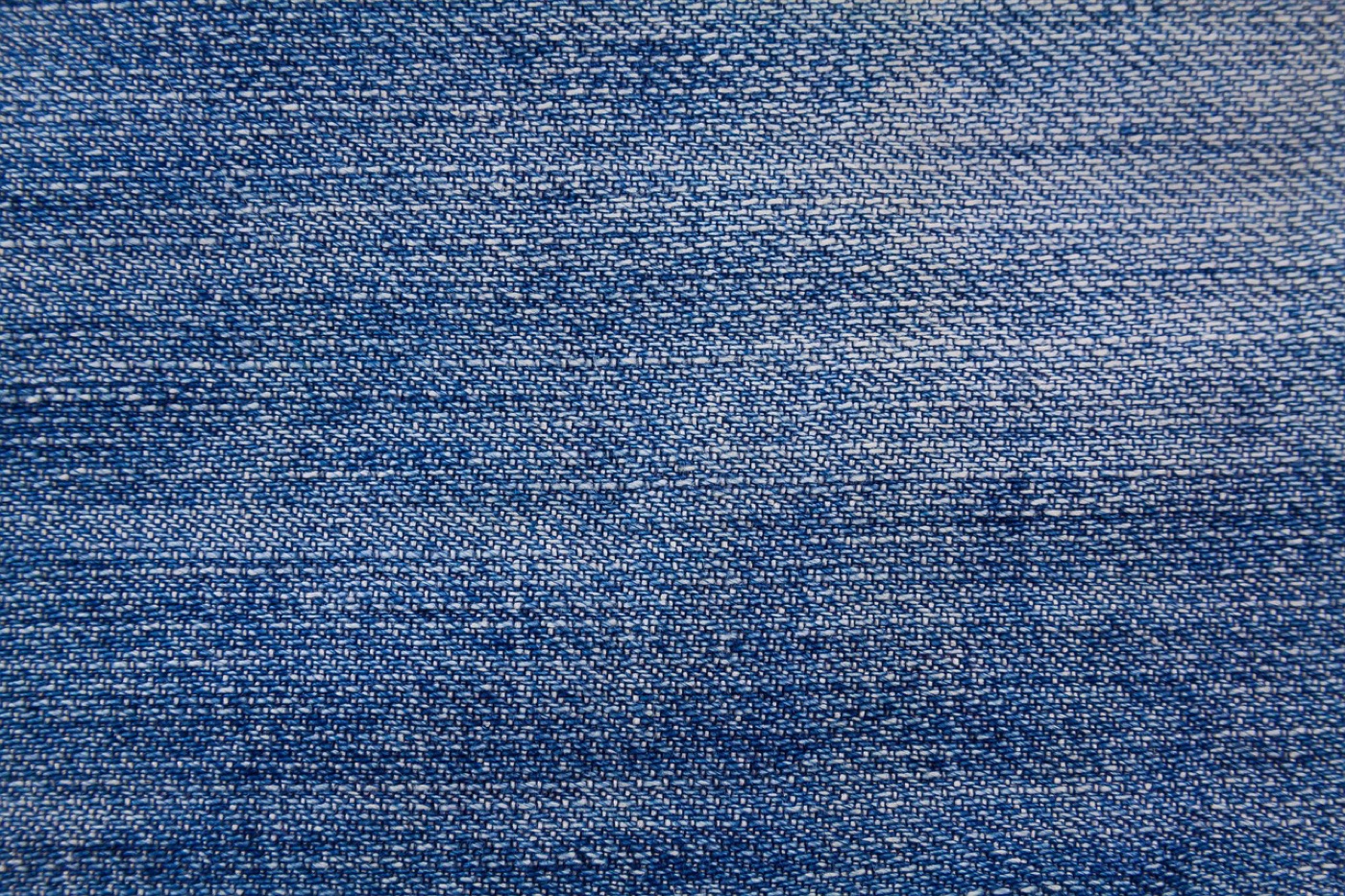
Raw denim comes with the most folklore of any fabric in the wardrobe: the six-month rule, the freezer trick, the ocean soak, the never-wash-at-all school. Almost none of it survives contact with what the fabric actually is, which is cotton twill, undyed except at the surface, unwashed since the loom. Once you know what washing does to that fabric and what skipping it does, the whole ritual simplifies into something a person with a job and a washing machine can maintain. Here is the fabric, the method, and the three myths retired.
What “raw” means, and the one question to ask before any wash
Raw (or dry) denim is simply denim that has not been washed or sanforized after weaving — no softening bath, no pre-shrink, no factory distressing. The indigo sits on the outside of the yarn rather than penetrating it, which is why raw denim fades where it rubs and creases: the dye abrades off and the white core of the yarn shows. Everything else about raw denim culture is downstream of that one fact.
Before water touches them, answer one question: is the denim sanforized? Sanforization is a mechanical pre-shrinking process, and a sanforized jean has already done most of its shrinking at the mill. Unsanforized, sometimes labeled “loom state” or “shrink-to-fit”, has not — and a first soak can pull a full size out of it, mostly in length, sometimes in the waist. If your jeans are unsanforized, start with a warm soak of thirty to forty minutes before wearing, and hang them to dry. This single step prevents the classic disaster: buying a perfect fit that becomes a crop after its first wash.
The first wash: when, and how
When is a decision with two inputs: soil and stretch. Wash when the jeans are visibly dirty, when they hold odor after airing, or when they have stretched enough at the waist and knees that a wash will reset the fit. For a desk-bound wearer that may be three or four months in; for a cyclist it may be three or four weeks. The fabric does not care about the calendar, and the six-month rule exists because dirt and oil grind away at cotton fibres from within — an over-worn, never-washed jean can blow out before one that was washed monthly. The fade purists’ trade-off is theirs to make; for everyone else, clean beats mythical.
The method: inside out, cold water, gentle cycle or hand wash in a tub, and a small dose of mild detergent — a wool wash or a dedicated denim wash, both enzyme-free, works. Zip and button everything. Skip the spin if your machine allows, or use the shortest available, because wet creases set hard and the spin cycle is what prints those creases permanently. Never use the dryer for a jean you care about: heat and tumbling remove indigo unevenly, shrink the weft, and age the fabric in years per hour. Hang by the waistband, smooth the legs with one pass of your hand, and dry in shade. A dried-in-sun jean fades from the top down like a photograph left on a table.
Indigo bleeds. It is a surface dye, and the first washes will turn the water blue and may cast onto light footwear, light sofas, and light everything else. Wash with nothing you love. This is also why raw denim was historically worn with the understanding that it ages its surroundings — if that is unacceptable in your life, a one-wash purchase (washed once at the factory) removes most of the crocking without removing the fades-to-come.
Fades: earned, then maintained
Fades come from wear, not from care, and the only care decision that affects them is wash consistency. A jean washed at consistent intervals fades evenly along its natural crease lines, which reads as patina; a jean washed erratically fades in blotches, which reads as damage. If you like the way your jeans are developing, your only job is not to change the routine halfway through.
Honeycombs behind the knees, whiskers at the hips, and the stacks at the ankle all deepen with every wash-wear cycle rather than disappearing. Washing does not erase fades — the common fear — because the fade is missing dye, not surface dirt. What a wash does is even out the contrast slightly, which is either a feature or a bug depending on what you were chasing.
The blowout, and the repair that beats it
Raw denim’s characteristic failure is the crotch blowout: the weave thins at the point of maximum friction and gives way all at once, usually on a ride home. It is preventable in three ways. Wash before the fabric is grimy, since embedded grit is abrasive. Rotate between two pairs if you wear raw denim daily, because cotton needs rest days to recover from stretch. And check the crotch lining every month or so — when you can see light through the weave at the inseam junction, the window for a cheap repair is open. A patch sewn in behind the thinned area, or a quick darn across the weak line, costs minutes; our visible mending guide covers both. A post-blowout repair is possible too, but it is surgery where the earlier fix is a vaccination.
This is also where the raw denim hobby meets the rest of this site. A jean that lasts six years instead of two is the lowest-impact jean available, regardless of where its cotton grew — our sustainable jeans guide covers the buying side. Care is the cheap half of that equation. And for the stains that arrive between washes — coffee, oil, mud — our stain removal guide covers what to do without a full wash, which is most of denim care in practice: spot-clean, air, repeat, and save the machine for when the jeans ask for it.
FAQ
- Do I really have to wait six months before washing raw denim?
- No. That rule comes from fade enthusiasts chasing high-contrast wear patterns, not from the fabric's needs. Wash when the jeans are dirty or stretched out. Dirt and body oil abrade fibres from the inside, so an unwashed jean can actually wear out faster than a washed one.
- Will my raw jeans shrink?
- Unsanforized (loom-state) denim shrinks noticeably on first soak, often 5 to 10 percent in length. Sanforized denim has been mechanically pre-shrunk and changes little. Check which yours is before the first wash, because it decides whether you size up.
- Does the freezer trick work for odor?
- Not really. Freezing slows bacteria briefly but kills very few, and it does nothing about the oils they feed on. Air the jeans in sunlight and shade alternately, spot-clean with a damp cloth, and save the wash for when it is genuinely due.
Edited by
Dana Reyes
Researches garment construction, fibre content and brand sustainability claims. Ten years between the retail floor and editorial fact-checking.