How to Fix a Broken Zipper: Slider, Teeth and Top Stop Repairs
Nov 13, 2026 · Dana Reyes
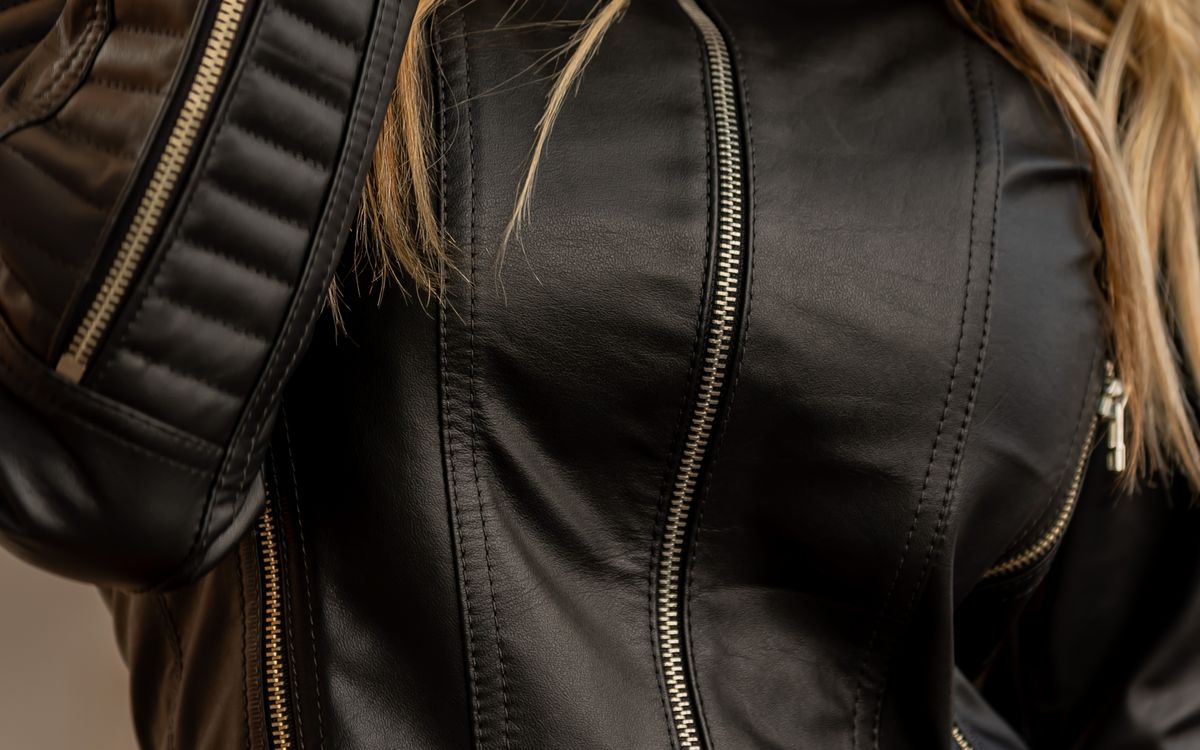
A zipper fails in one of a few predictable ways, and most of them are repairable at a kitchen table with pliers and a ten-dollar part. The mistake people make is assuming the worst case — “the zipper is broken, the jacket is dead” — when the actual failure is almost always a small replaceable component. This guide walks through diagnosis first, then the three repairs that cover most failures: a slider swap, teeth that need coaxing back into alignment, and a top stop replacement. It ends with the cases where the honest answer is a new zipper or a tailor.
Diagnose before you buy anything
Zipper failures fall into four groups, and each has a different fix.
The slider is worn. The slider is the metal block that rides on the teeth, and its jaws squeeze the teeth together to close the zipper. Years of pressure spread those jaws, and a worn slider lets a zipper close and then split open behind you — the classic jacket that “zips up and pops open.” If the teeth look intact and the zipper splits after the slider passes, this is your problem, and the fix is a slider swap.
The teeth are misaligned or bent. One tooth sits proud, or the two rows have drifted so the slider catches or refuses to pass. Minor bends can be coaxed straight with pliers. Missing teeth are the point of no return for a slider-only repair.
The top stop or bottom stop has failed. The stops are the caps at each end that keep the slider from running off the teeth. A missing top stop lets the slider escape the end of the tape; the zipper is fine, the containment is not. This is a cheap, quick fix.
The tape or stitching has failed. The zipper pulls away from the garment along the stitch line, or the tape itself has torn. This is a sewing repair or a tailor job, not a zipper-component repair.
Run the slider end to end once with the garment inside out and you will usually know which group you are in inside two minutes.
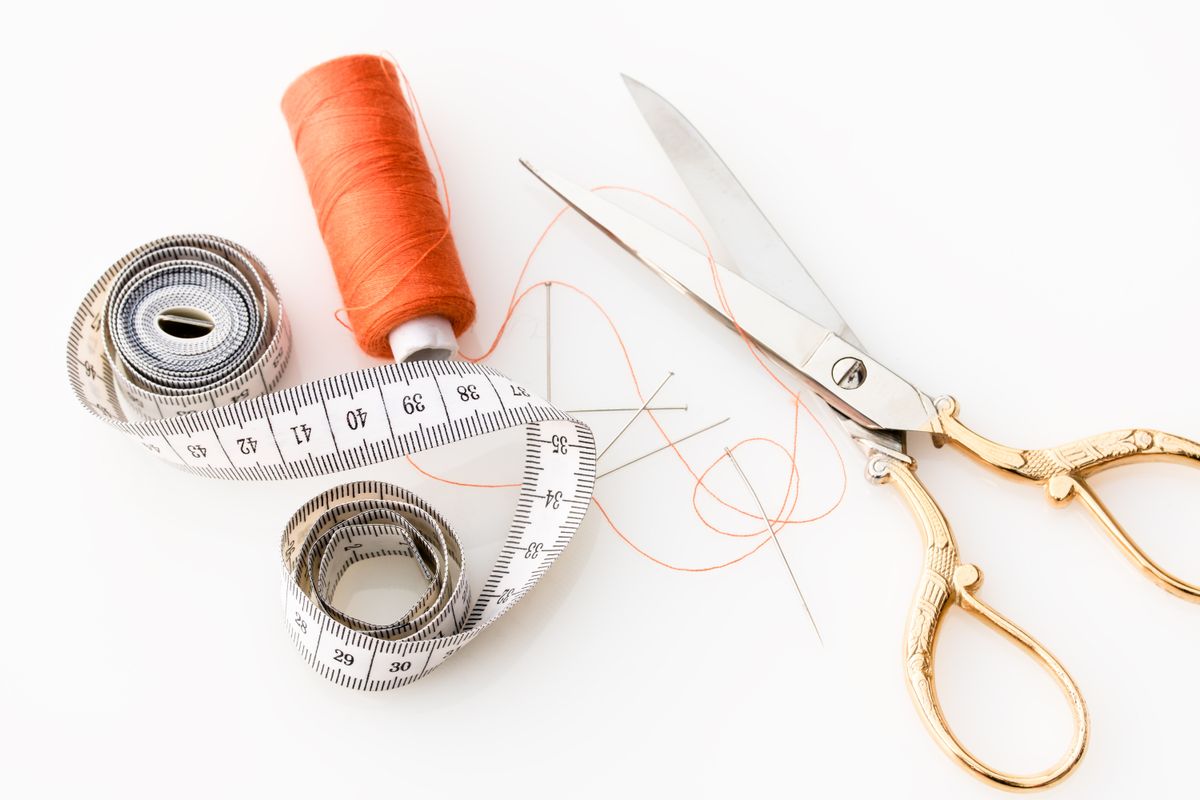
The slider swap: the repair that fixes most failures
If the teeth are intact and the zipper splits or refuses to close, replace the slider. This sounds intimidating and is not: sliders are held by the top stops at one end and the pull tab at the other.
First, match the part. Zippers are numbered by gauge — the width of the closed teeth in millimetres. A number 5 is about 5 mm across, a number 8 about 8 mm. The number is often stamped on the back of the old slider; if not, measure the teeth width. Buy a replacement slider in the same gauge. A metal slider can go on a metal zipper; on nylon coil zippers, match the coil size the same way. Bring the old slider to a sewing shop if the numbers are illegible — they will match it in seconds.
The swap itself: remove the top stop at the end of the zipper using needle-nose pliers or, on some garments, by prying it up with a flat screwdriver. Slide the old slider off toward that end, then slide the new one on over the same teeth — it goes on exactly the way the old one came off, which is why you remove the stop at the end the slider exits, not the middle. Reattach the pull tab if your new slider did not come with one. Crimp or replace the top stop, then run the zipper end to end a few times. A drop of wax or pencil graphite on the teeth smooths a stiff new slider.
If the pull tab itself has broken off — the most trivial failure of all — you do not need to touch the slider. A key ring, a small carabiner, or a replacement pull loop threaded through the slider’s tab hole restores the zipper in a minute.
When the teeth need work
Bent teeth straighten with gentle, patient pliers work: grip the tooth at its base and nudge it back into line with its neighbours, checking against the opposite row. Do this with the zipper open so you can see both rows. Never force a tooth — a snapped tooth on a metal zipper means replacement.
For zippers that separate because the rows have drifted, the trick most tailors use is to run the slider fully to the bottom, align the two rows by hand so the teeth interleave, and zip slowly while feeding the rows in straight. If the zipper closes all the way when guided and then holds, the problem was alignment plus a tired slider — do both, the slider swap and the careful feed, and the zipper usually comes back.
Missing teeth end the conversation. A metal zipper with a gap in the teeth cannot be repaired without replacing the zipper itself, because there is nothing for the slider to close against. On a coil zipper the equivalent failure is a crushed or melted section of coil, which is equally final.
Top stops, bottom stops and the zipper that runs off the end
A missing top stop is a five-minute repair. The slider simply runs off the end of the teeth because nothing contains it. Clip a replacement top stop — they are sold in packs, metal, in brass, nickel and black — over the last tooth with pliers, or sew a few tight hand stitches just above the last tooth with heavy thread to act as a fabric stop. The stitched version is nearly invisible and works on any zipper.
At the bottom of a closed-end zipper, the bottom stop joins the two tapes. If it cracks or the teeth pull loose from it, the zipper’s tail fails first and the failure creeps upward as the teeth work free one by one. Catching this early and restitching the tape at the base with a few firm stitches buys years; ignoring it lets the whole zipper unwind.
When to replace the whole zipper, and when to outsource
Replace the zipper when teeth are missing, the tape is torn, or the garment is worth more than the hour of fuss. On a bar-tacked jeans fly or a lined winter jacket, that is genuinely fiddly — the fly has stops and reinforcements, the jacket means opening a seam. This is what tailors are for, and a zipper replacement at a tailor typically costs a fraction of the garment. Before you pay anyone, check whether the brand will do it free: several outdoor and denim brands run repair programs, and Patagonia’s is the best known. Our review of Patagonia’s repair and Worn Wear programs covers what its promise actually covers.
Making the next zipper last
Three habits prevent most of the above. Zip the garment before washing so the teeth do not grind against the drum and other garments. Never force a snagged slider — free the fabric first, then move it; forcing is what bends teeth. And close zippers before storing a garment, because an open zipper stresses the tape and the stop at its end for months at a time. Care of the surrounding garment matters as much as the zipper itself; our guide to visible mending covers the same repair-over-replace instinct for the fabric around it.
FAQ
- Can you fix a zipper without replacing it?
- Most zipper failures are slider failures, and the slider can be swapped off without touching the teeth. If the teeth themselves are bent, missing or pulled away from the tape, the repair becomes a realignment at best and a full zipper replacement at worst.
- What does zipper number 5 or 8 mean?
- It is the gauge: the width of the closed teeth in millimetres. A number 5 zipper is about 5 mm across, a number 8 about 8 mm. Match the number on your old slider, or measure the teeth, and buy a replacement slider in the same gauge with the same pull style.
- Is it worth repairing a zipper, or should the garment be replaced?
- On anything with life left in the fabric, yes. A new zipper costs a fraction of a replacement garment and keeps a working jacket out of the bin. It stops being worth it when the surrounding fabric is worn thin, torn at the seam, or the garment no longer fits.
Edited by
Dana Reyes
Researches garment construction, fibre content and brand sustainability claims. Ten years between the retail floor and editorial fact-checking.