What the Responsible Wool Standard (RWS) Actually Covers
Nov 14, 2026 · Dana Reyes
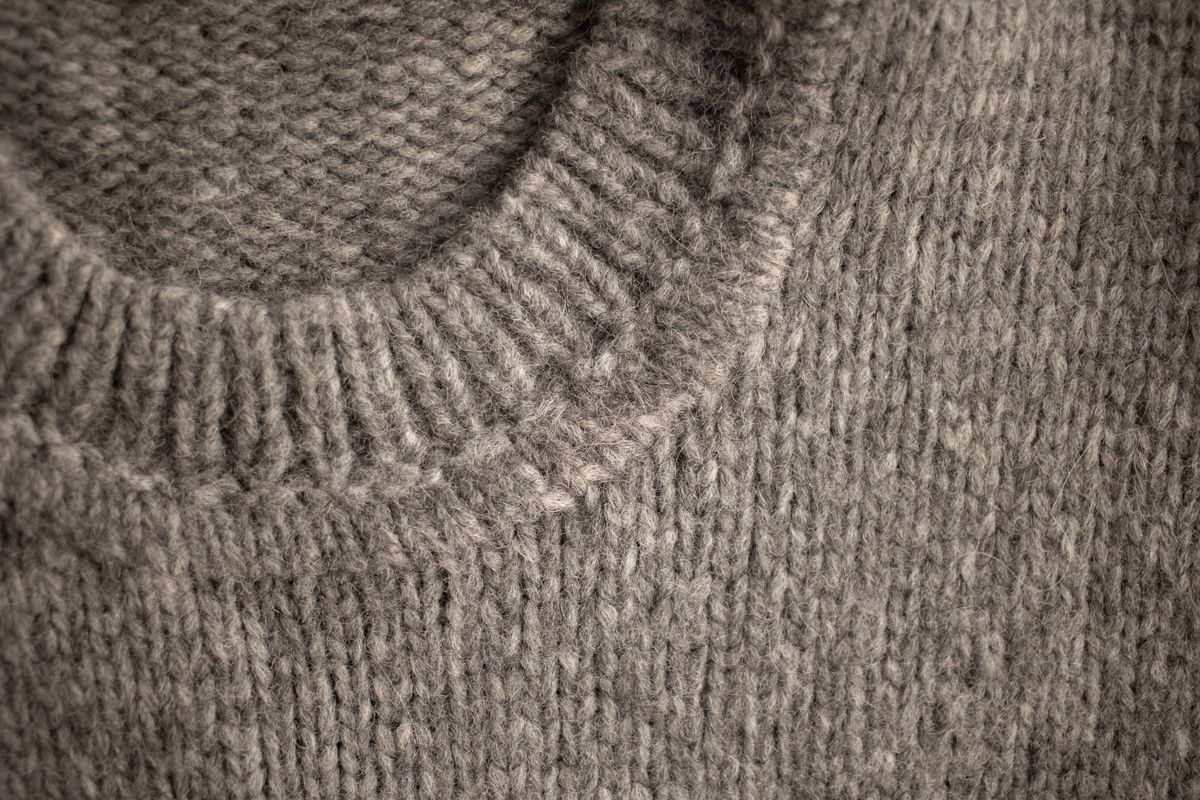
A wool sweater with a small “RWS” mark on the label is making a claim about sheep, soil and paperwork, and the mark is one of the few fibre labels with real machinery behind it. The Responsible Wool Standard is owned by Textile Exchange, audited by independent certification bodies, and enforced at the farm level — which puts it in a different category from the vague “responsibly sourced” phrasing that brands use when nothing is being audited at all. This guide explains what the standard actually requires, how wool gets tracked from farm to jumper, and what the label still does not tell you.
What RWS is, and who writes it
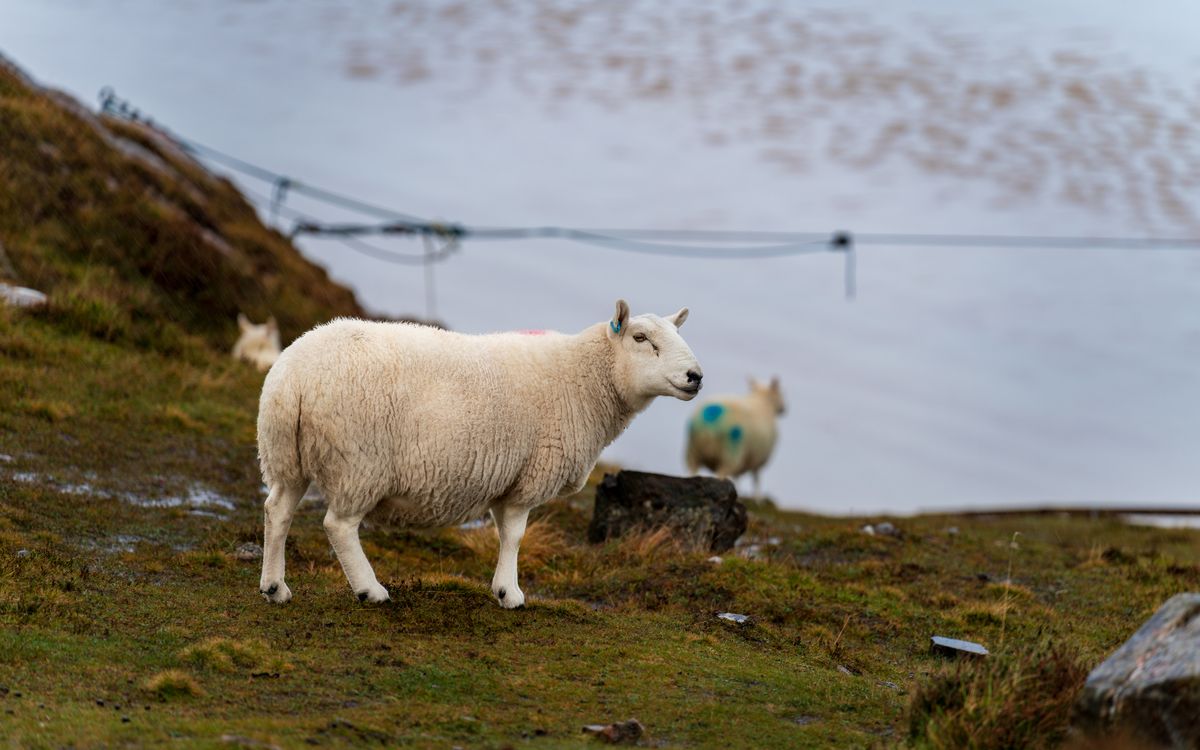
The Responsible Wool Standard is a voluntary standard covering sheep welfare and the management of the land they graze. It exists because wool’s problems are mostly upstream of the mill: live lamb export, mulesing, overstocked pasture, shearing injuries and the handling of sheep at auction are farm practices, and no amount of mill certification touches them. Textile Exchange, which also maintains the Recycled Claim Standard and the Global Recycled Standard, publishes the standard and revision cycles; accredited third-party bodies do the actual farm and chain-of- custody audits.
Two structural rules matter more than any single welfare clause. First, certification is voluntary — a brand chooses to put its wool supply through audit, which is why some large wool users carry it and others do not. Second, the standard works at the level of farms and traders, so the label on a sweater is only as good as the chain of custody records behind it. That chain is the part most shoppers never hear about, and it is the part that makes the label mean anything.
The welfare rules: what the farm must do
RWS builds its welfare requirements on the five freedoms framework — freedom from hunger and thirst, from discomfort, from pain, injury and disease, from fear and distress, and the freedom to express normal behaviour. Textile Exchange’s own materials present the same idea as Five Provisions of animal welfare, and the farm modules cover animal welfare, land management and social welfare — the treatment of the people working on the farm is audited too. Translated into auditable practice, certified farms must keep sheep under a flock health and welfare plan, with documented handling, shearing, transport and, where relevant, husbandry procedures. Shearers and handlers must be trained and competent, and painful procedures require pain relief under the standard’s rules.
The clause that gets the most attention is mulesing. RWS prohibits mulesing — the removal of skin folds around a lamb’s tail to prevent flystrike — on certified farms, and wool from mulesed sheep cannot be sold into the certified supply chain. This matters commercially as much as ethically, because mulesing remains common in some major wool-exporting countries, and brands that commit to RWS wool are effectively committing to non-mulesed supply. If you want the fibre-quality side of wool rather than the welfare side, our knitwear buying guide covers micron count, staple length and spinning in detail.
Land management is the quieter half of the standard. Certified farms must manage grazing so soil health, native vegetation and biodiversity are maintained — essentially, overstocking and land degradation are audit failures. This is why RWS is sometimes described as covering both the animal and the ground it stands on.
Chain of custody: how wool gets from farm to label
Welfare standards would be worthless if certified and non-certified wool could mix freely after leaving the farm. RWS prevents that with documented chain of custody. Each certified seller in the chain — farm broker, top maker, spinner, knitter — holds a scope certificate defining which facilities and products are covered, and each sale of certified wool is accompanied by a transaction certificate that records what was sold, in what volume, and to whom. Certification bodies issue these certificates and can verify them.
The rule that follows from this: a garment can only carry the RWS claim if every stage from farm to final product is covered by those records. For a sweater that means the wool was certified at the farm, the top maker and spinner were certified for their stages, and the garment maker’s records show certified input. If a brand claims RWS, you can ask for the transaction certificate or its number — a brand holding the documentation will produce it, and vagueness there tells you something.
One practical reading rule: the RWS logo may only be used on products made with 100% certified wool. A sweater labelled “RWS” is claiming fully certified content; a garment with a small share of certified wool in a blend is a different, weaker claim and should be described in words rather than the logo. This mirrors how content claims work on composition tags, which our guide to decoding composition tags covers in detail.
What RWS does not tell you
The label has edges, and knowing them makes you harder to mislead.
RWS is not an organic standard. Organic wool is governed by agricultural organic regulations — feed, medication, pasture inputs — under national schemes. RWS governs welfare and land management. The two can coexist on one farm, but neither implies the other, and “natural” on a wool label means nothing at all.
RWS is not a chemical or processing standard. Dyeing effluent, spinning oils, finishing chemistry and the working conditions inside a mill are outside its scope; other standards and regulations cover those. A sweater can be RWS-certified and still finished with chemistry you would rather avoid.
RWS is not a carbon account. Grazing systems interact with soil carbon in ways the standard encourages but does not measure per garment, and no farm audit tells you the footprint of shipping greasy wool across an ocean for processing. A brand that implies the label settles the climate question is overselling it.
Finally, RWS says nothing about the garment’s durability, and durability is the biggest sustainability lever you control. A certified-wool sweater you wear twice loses to a conventional one you wear two hundred times. Our wool washing guide covers the care half of that equation.
How to use the label when you shop
Treat RWS as a floor, not a verdict. If animal welfare in wool matters to you, the label is one of the few that maps to enforceable farm-level rules, and asking for a certificate number takes thirty seconds and sorts serious brands from decorative ones. Then read the rest of the garment the way you would any purchase: fibre quality, construction, whether you will actually wear it. The label answers the sheep question. It does not answer whether the sweater belongs in your closet.
FAQ
- Is Responsible Wool Standard the same as organic wool?
- No. Organic is a farming standard that governs inputs such as feed, pesticides and antibiotics under national organic regulations. RWS is a welfare and land-management standard from Textile Exchange. They certify different things, and a sweater can carry one, both, or neither.
- Does RWS mean mulesing is banned?
- Yes. Certified farms must not practise mulesing, and wool from mulesed sheep cannot enter the certified supply. The standard also requires that farmers document their welfare practices and that the sheep are under a flock health and welfare plan.
- How do I verify a garment's RWS claim?
- Ask the brand for its transaction certificate or scope certificate number and check it with the certification body on the certificate. A garment sold as RWS should be traceable through documented chain-of-custody records from certified farm to final product.
Edited by
Dana Reyes
Researches garment construction, fibre content and brand sustainability claims. Ten years between the retail floor and editorial fact-checking.