TENCEL Lyocell: What the Fibre Is and When It's Worth Paying For
Oct 12, 2026 · Dana Reyes
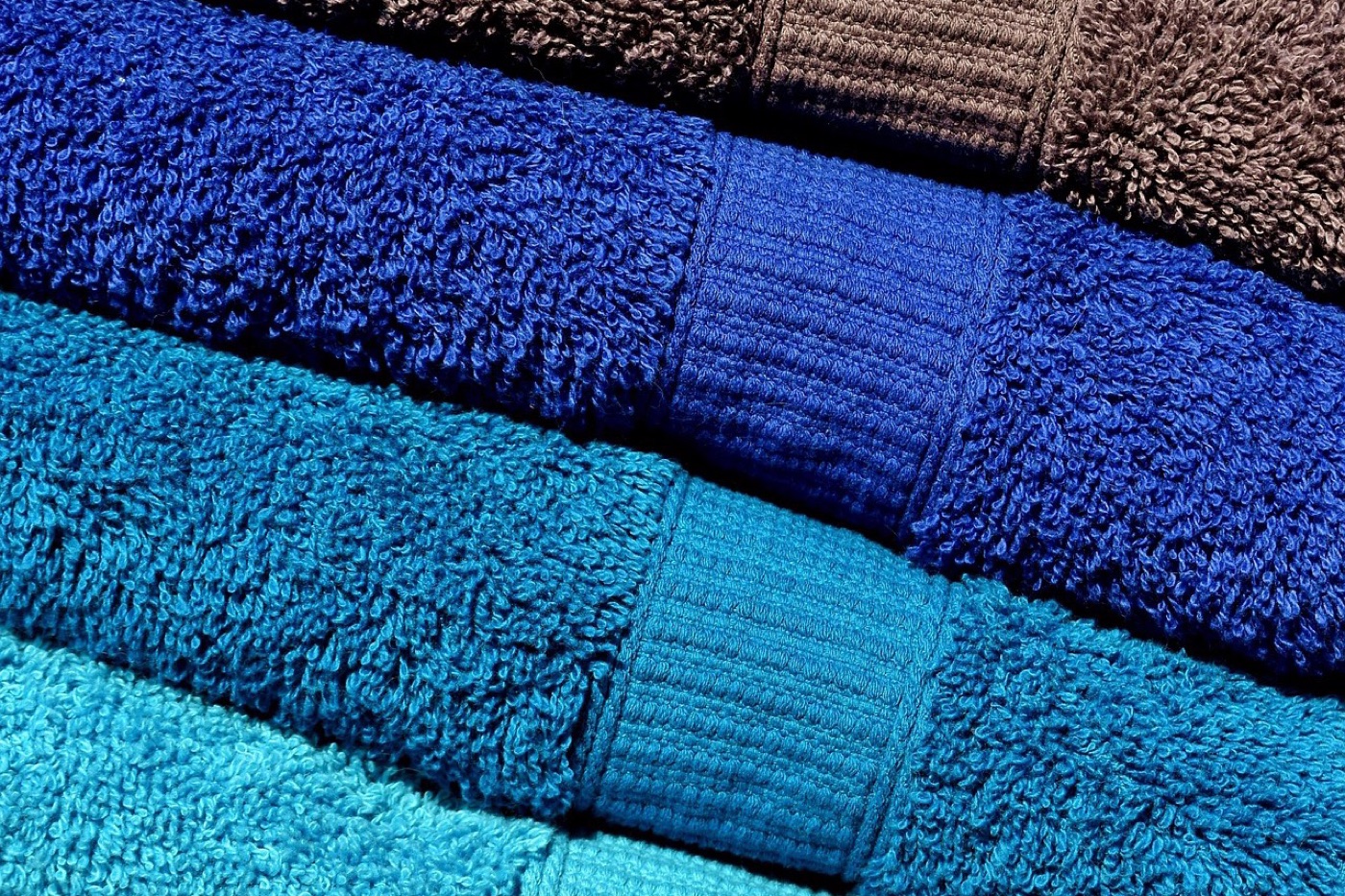
TENCEL is the rare case where a brand name became a fabric category and then started doing all the work on hangtags where a standard should be. It is a trademark owned by the Austrian company Lenzing for its lyocell and modal fibres — regenerated cellulose made from wood pulp — and it is genuinely one of the better stories in textile chemistry. It is also one of the most frequently overstretched: “TENCEL blend” appears on garments where the actual share would not buy you the feel the name promises. Here is what the fibre actually is, how it differs from the viscose family it gets confused with, and when it earns its price.
Where lyocell sits in the cellulose family
Start with the family, because the tag will not explain it. Rayon (viscose), modal and lyocell are all man-made fibres from natural cellulose — usually wood pulp — dissolved and re-spun into filament. They are neither natural fibres like cotton nor synthetics like polyester, which is why they feel unfamiliar on a composition tag. The differences between them are process differences, and the processes are where the environmental distance lives.
Conventional viscose dissolves pulp with a chemical-heavy method that historically vented carbon disulfide and dumped treated effluent; it works, and it is cheap, and a meaningful share of the world’s viscose is made with weak environmental controls. Modal is an improved viscose variant with higher wet strength. Lyocell is the third generation: pulp is dissolved directly in an amine oxide solvent and spun, and the process is closed-loop, with the solvent recovered and fed back at a rate Lenzing puts above 99 percent. No carbon disulfide. The difference between the best and worst of this family is not the wood — it is what happens to the chemistry after the wood dissolves.
The sourcing and the certificate behind the name
Two things make the trademark worth checking rather than dismissing. First, wood sourcing: Lenzing sources pulp from certified and controlled wood, much of it FSC or PEFC certified, and fast-growing species like eucalyptus and beech. Land use is a fair question for any cellulosic, and certification is the answer that can be checked, in the same way our GOTS guide teaches — a named standard with an audit behind it, not an adjective. Second, OEKO-TEX and other third-party tests commonly attach to TENCEL products, covering the harmful-substances side; our guide to the labels that aren’t GOTS maps which of those covers what, because the certificates stack rather than substitute.
What no lyocell certificate covers: the sewing floor. A fibre’s process story says nothing about the wages or conditions where the garment was cut and stitched, and a hangtag heavy with fibre credentials is not a substitute for the brand-level evidence our greenwashing checklist asks for. The certificate covers the fibre; it doesn’t cover the factory.
What it feels like and why it behaves that way
On skin, lyocell’s selling points are real and traceable to structure. The fibre is smooth and round in cross-section, which is why it drapes fluidly and feels cool rather than fuzzy; it absorbs moisture well and releases it, so it wears cool in heat and dries faster than cotton. It takes dye deeply and evenly. It resists wrinkles better than linen by a wide margin and does not pill the way short-staple cottons can. In shirts, dresses and summer trousers, that combination is genuinely hard to beat — it is the closest thing to a “linen feel without the linen care regime” that exists, and our linen care guide makes the contrast concrete.
Two honest caveats. Lyocell is slick, and slick fabric shows structure problems: a badly cut lyocell shirt looks worse than a badly cut cotton one, because the drape reports every seam. And blends change character: a lyocell-cotton blend creases more, drapes less, and trades some of the signature feel for cotton’s body, which can be exactly what a garment needs. Neither is a defect. They are just reasons to judge the garment, not the fibre name.
Reading the tag: the share is the story
The composition tag is the most regulated document on the garment, and our composition tag decoder covers the full grammar — for TENCEL the rule is short. Fibres print in descending order of weight. A tag reading 100% lyocell, or TENCEL lyocell listed first with a large share, buys the fibre’s actual properties. A tag where TENCEL sits second or third at a small share buys the name. “TENCEL blend” with no percentage is the weakest signal of the three and should be read as decoration until the tag says otherwise.
One more trap worth naming: lyocell is not a protected performance word. Generic lyocell from other producers can be perfectly good or perfectly mediocre; the TENCEL trademark at least tells you which company made the fibre and lets you check their published record. Generic “lyocell” with no name behind it is where the viscose-family’s process problems can hide.
Care, and where it fits in a wardrobe
Care is undemanding: cool wash, gentle cycle, reshape damp, line dry. Skip the softener, which coats any cellulose fibre and dulls its moisture behavior. Iron on low if needed, though most lyocell garments flatten under their own weight overnight. Like every cellulose, it is biodegradable at end of life in the way polyester is not — which is the quiet argument for choosing it in categories where you would otherwise buy synthetics.
Where it earns its price: summer shirts and dresses, bed-adjacent clothing, and any piece whose whole value is drape against skin. Where it doesn’t: high-abrasion workwear, anything that needs to shed water, and garments where the blend share is too small to matter. Our everyday tees comparison shows how the fibre choice plays out in the category people actually buy most. Lyocell is a good fibre with a clean process behind it — rare enough in this industry that it deserves the attention, and common enough now that it needs the scrutiny too. Read the tag, check the share, and let the percentage decide what you are paying for.
FAQ
- Is TENCEL lyocell the same as viscose or rayon?
- They are all regenerated cellulose fibres made from dissolved wood pulp, but the process differs. Lyocell uses a solvent spinning system that recovers and reuses the vast majority of its solvent in a closed loop; conventional viscose does not, and its chemical-heavy open process is where its environmental problems live.
- Does a 'TENCEL blend' tag mean the garment is mostly lyocell?
- No, and this is the most common overpay trap. Composition tags list fibres in descending order of weight, so check where TENCEL appears. A shirt that is 92% polyester with 8% TENCEL is a polyester shirt with a marketing line, and the TENCEL price premium is not earned.
- How do I wash lyocell?
- Cool machine wash on a gentle cycle or hand wash, reshape and line dry. It is stronger than viscose when wet but still happier with gentle treatment. It wrinkles less than linen and usually needs little or no ironing.
Edited by
Dana Reyes
Researches garment construction, fibre content and brand sustainability claims. Ten years between the retail floor and editorial fact-checking.