Oeko-Tex, bluesign and the Other Labels That Aren't GOTS
Oct 10, 2026 · Dana Reyes
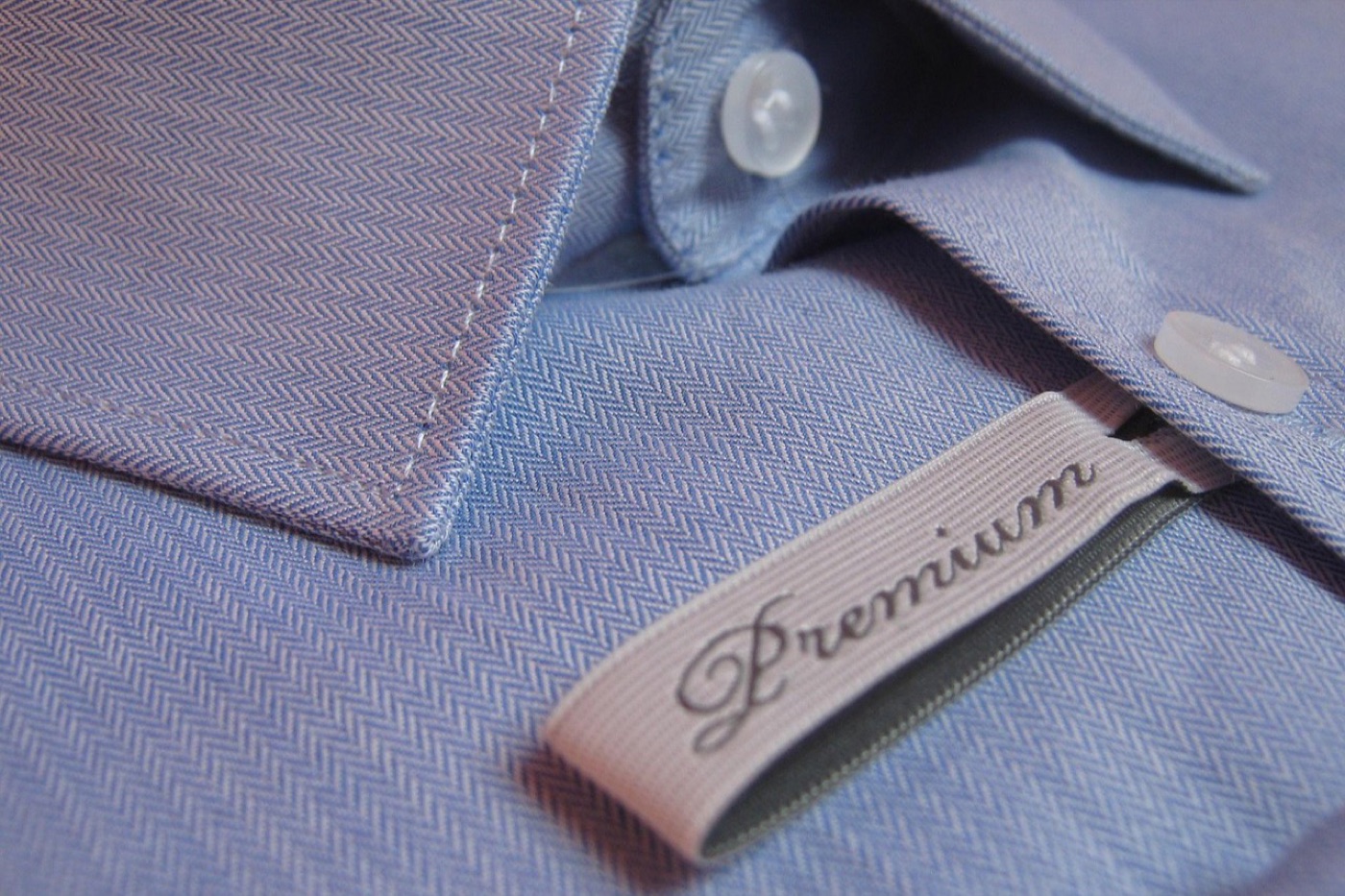
GOTS gets all the attention on this site because it is the strictest and the most abused, but walk any well-stocked shop and you will meet four other certifications before you reach the till: Oeko-Tex Standard 100, Made in Green, bluesign, and the recycled pair GRS and RCS. Each is real, each is audited, and each one stops somewhere specific — the trouble is that the hangtag never prints where it stops. That is what this guide is for. The certificate covers the test; it doesn’t cover what you assume it covers. Here is what each label verifies, what it never touches, and how to check one in ten minutes.
Oeko-Tex Standard 100: the product safety test
This is the most common certification in the building and the most misunderstood. Standard 100 means the finished textile — every component, threads and buttons included — was tested against a list of several hundred regulated and non-regulated harmful substances: formaldehyde, heavy metals, certain azo dyes, phthalates. Four product classes exist, classed by how much skin contact the item gets, with baby products held to the strictest limits.
What it covers: chemical safety of the product as it reaches you. What it doesn’t: everything about how it got there. Standard 100 says nothing about organic farming, nothing about wastewater at the dye house, nothing about wages, and nothing about durability. A conventionally grown, conventionally dyed, industrially produced garment can carry the label honestly — and many do. Read it as a floor, not a verdict: the absence of the label means the product was never tested; the presence of it means the product passed one safety test. That is all, and it is not nothing, but it is not the word “safe” in the size most shoppers imagine.
One practical note: Oeko-Tex labels carry a certificate or license number, and the institute runs a public lookup where that number shows what product class the certificate covers and whether it is current. This takes thirty seconds and it catches the expired-and-still-hanging tags that show up every season.
Made in Green: the same test, plus traceable production
Made in Green is Oeko-Tex’s stronger sibling, and the difference is exactly the gap Standard 100 leaves open. A Made in Green product has passed the harmful-substances test and was manufactured in facilities audited by Oeko-Tex for environmental and social criteria — wastewater handling, chemicals management, working conditions. Every label carries an ID that traces to production facility and country, verifiable on the lookup tool.
This is the label to prefer over plain Standard 100 when you find it, because it closes most of the process gap. What it still doesn’t cover: the farming of the fibre. A Made in Green conventional cotton shirt is possible and legitimate. For the growing side, you still need GOTS — our GOTS guide covers its four mandatory label elements — or an equivalent agricultural standard.
bluesign: the factory’s input stream
bluesign certifies neither the product nor the farm but the manufacturing system. Its method is to audit what enters a factory — chemicals, dyes, water, energy — and score it against a set of input criteria, pushing harmful substances out of the process before they can end up in the effluent, the air, or the garment. Brands become “bluesign system partners” when their facilities meet the standard, and a product can be labeled bluesign-approved when it was made in that system.
The strength of bluesign is that it regulates chemistry at the source, which is where most of textile pollution actually happens: dye houses and wet processing, not cotton fields. The scope limit follows from the method. bluesign says little about farming practices, animal welfare, or the social side of labor, and a “system partner” brand may only have a fraction of its production running under the standard — the partner status attaches to facilities, not to the company’s whole output. Ask what share of the line it applies to; our greenwashing routine covers that question in detail, and it is the right one here too.
GRS and RCS: the recycled content pair
The Global Recycled Standard and the Recycled Claim Standard both verify recycled content through the supply chain, from source to final product, with chain of custody. RCS verifies the recycled share and stops there. GRS verifies the share and adds processing criteria: chemical restrictions, wastewater, and some social requirements. When a hangtag says “recycled polyester” with no standard named and no percentage given, it may be talking about a trim — a zipper tape, a lining — and the honest claims carry one of these two labels with a number attached.
What neither covers: the use phase. Recycled synthetics shed microplastics at essentially the same rate as virgin ones, and the certificate covers the input, not the wash — our recycled polyester explainer walks through that gap, and our microfiber filter guide covers what to do about it at the machine.
How to use the label zoo without losing your mind
The system collapses to one habit: read every label as a sentence with a subject and an object. Oeko-Tex Standard 100: the product, tested for harmful substances. Made in Green: the product, tested, plus audited facilities. bluesign: the factory inputs, managed. GRS: the recycled content, traced. GOTS: the organic fibre and its processing, certified end to end. None of them is a brand verdict, none of them covers the others’ territory, and a garment carrying several is not “more certified” in any additive sense — it is more specified, which is the actual good thing.
Verify before you believe: Oeko-Tex and GRS/RCS label numbers look up directly, GOTS licenses search in its database, bluesign partners are listed publicly. Ten minutes, three tabs, and the hangtag either holds up or it doesn’t. That habit is worth more than memorizing any single standard, because the standards change and the habit doesn’t. Read the label like a contract, look up the parties, and buy the product the evidence supports — not the one the imagery suggested.
FAQ
- Does Oeko-Tex certified mean the product is organic?
- No. Oeko-Tex Standard 100 tests the finished textile for a defined list of harmful substances. It says nothing about how the fibre was grown — a conventionally farmed cotton shirt can pass easily. Organic claims need GOTS or an equivalent farming standard.
- What is the difference between bluesign and Oeko-Tex?
- bluesign certifies the production system — which chemicals, dyes and resources entered the factory and how they were managed. Oeko-Tex tests the finished product. One audits the process, the other measures the result; they can appear on the same garment without overlapping.
- How do I verify a certification label is real?
- Every major body runs a public lookup: Oeko-Tex verifies label numbers on its site, GOTS license numbers are searchable in its database, bluesign publishes its system partners. A label number that returns no result is the fastest greenwashing tell there is.
Edited by
Dana Reyes
Researches garment construction, fibre content and brand sustainability claims. Ten years between the retail floor and editorial fact-checking.