Frank & Eileen Reviewed: B Corp Scores, Traceable Fabric, and the Fine Print
Nov 13, 2026 · Dana Reyes
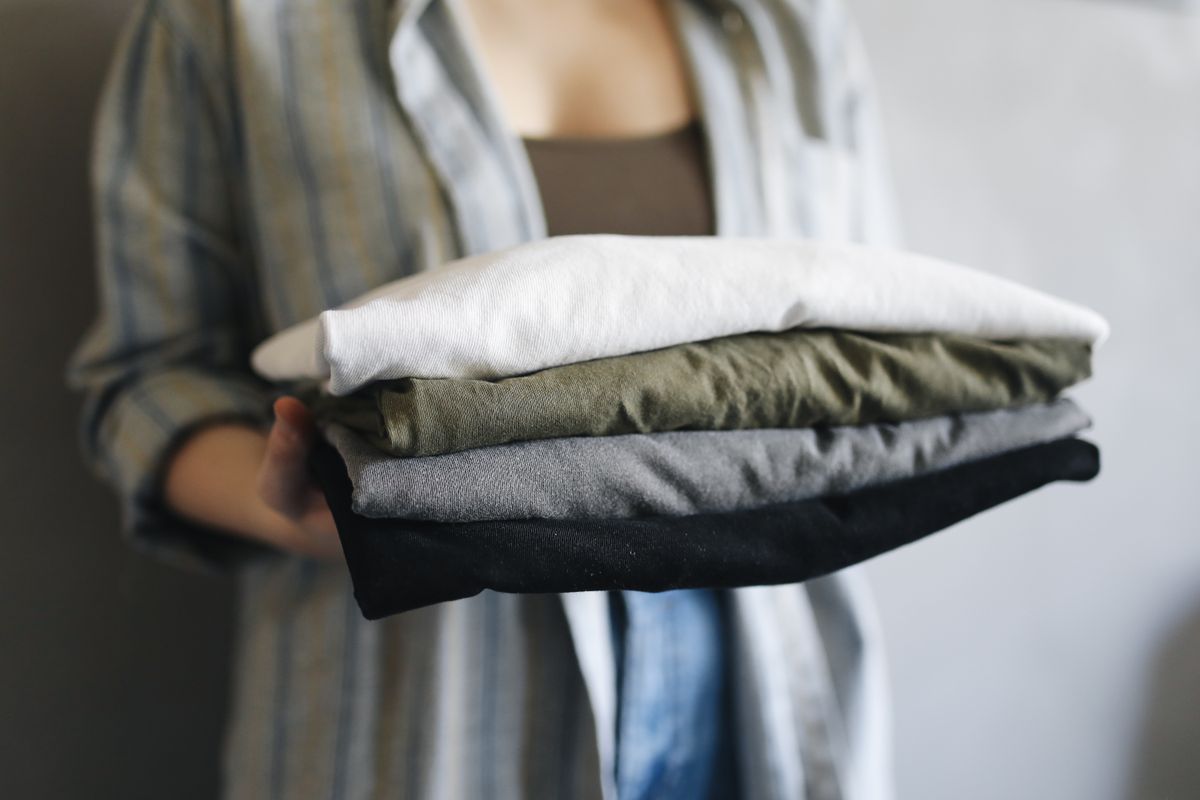
Every few years a shirt brand gets described as if the shirt were a life philosophy. Frank & Eileen is the current holder of that position in womenswear: a California company named after its founder’s Irish grandparents, built around one button-up silhouette and now stretching into knits, trousers and outerwear. The claims are unusually specific for this corner of the market — a named Italian mill, fabric “traceable to the field of origin”, a B Corp certification with a published score. Specific claims are checkable claims, so we checked them, the same way we have read the fine print for Everlane, Quince and Nudie Jeans.
The claim, restated plainly
The brand’s about page says it was born in 2009, when former engineer Audrey McLoghlin set out to reinvent the women’s button-up using Italian menswear fabric. It states that the company is a certified woman-owned, woman-led business that has retained 100 percent ownership, and that it has worked with the same manufacturers for over a decade. The fabrics it produces in Italy, the page says, can be traced down to the field of origin and meet OEKO-TEX Standard 100.
Three separate assertions are stacked here: a certification you can look up, a supply-chain claim tied to a named mill, and a labor claim tied to a place. They deserve separate verdicts.
What we checked
We read the brand’s about page and its 2025 impact report, the company’s B Corp profile on the certification directory, and current product pages on the brand’s US storefront, where prices for the core silhouettes sat between $248 and $598 when we looked in November 2026. We did not wear, wash or measure anything; where a claim could not be verified against a third party, we say so.
Where the claim holds
The certification is real and independently recorded. The B Lab directory lists Frank & Eileen as certified since November 2020, with an overall B Impact Score of 125.5 against a median of 50.9 for ordinary businesses that complete the assessment and an 80-point qualification threshold. Whatever one thinks of B Corp as a standard — our B Corp explainer covers its limits — a score above three times the median, recorded by the certifier rather than by the brand, is the strongest single data point here.
The fabric claim is specific in the right way. Italian wovens come from the Albini Group, a family-owned mill the brand names openly, and the “traceable to the field of origin” language appears consistently across the brand’s own materials. OEKO-TEX Standard 100 is a defined test for harmful substances in finished textiles — our OEKO-TEX guide explains what the label does and does not cover — and a named, checkable standard beats the “conscious materials” phrasing most brands reach for. The brand’s product copy also states where its garments are sewn: woven shirts in Los Angeles, and the knit capsule knit, sewn, washed and dyed locally in California.
Where it doesn’t
Now the soft edges. The impact report is self-published: figures such as the share of core fabric suppliers using renewable electricity, or the number of garments kept out of landfill through the brand’s ReLoved resale program, have no third-party audit attached that we could find. The field-level traceability claim rests on the mill’s documentation, not on anything a shopper can inspect. And while the B Corp score is verified, it measures 2020-era practice under the older standards version; recertification data updates slowly, so the current score should be read as a floor, not a ceiling.
There is also the scope question this site keeps raising. A traceable shirt fabric says nothing about trims, dyes, packaging or the operations behind the brand’s growing categories. The brand’s materials are unusually candid about goals, but goals are not outcomes, and the 2025 report’s forward targets are exactly the kind of numbers no one can be held to yet.
What to buy, and who this suits
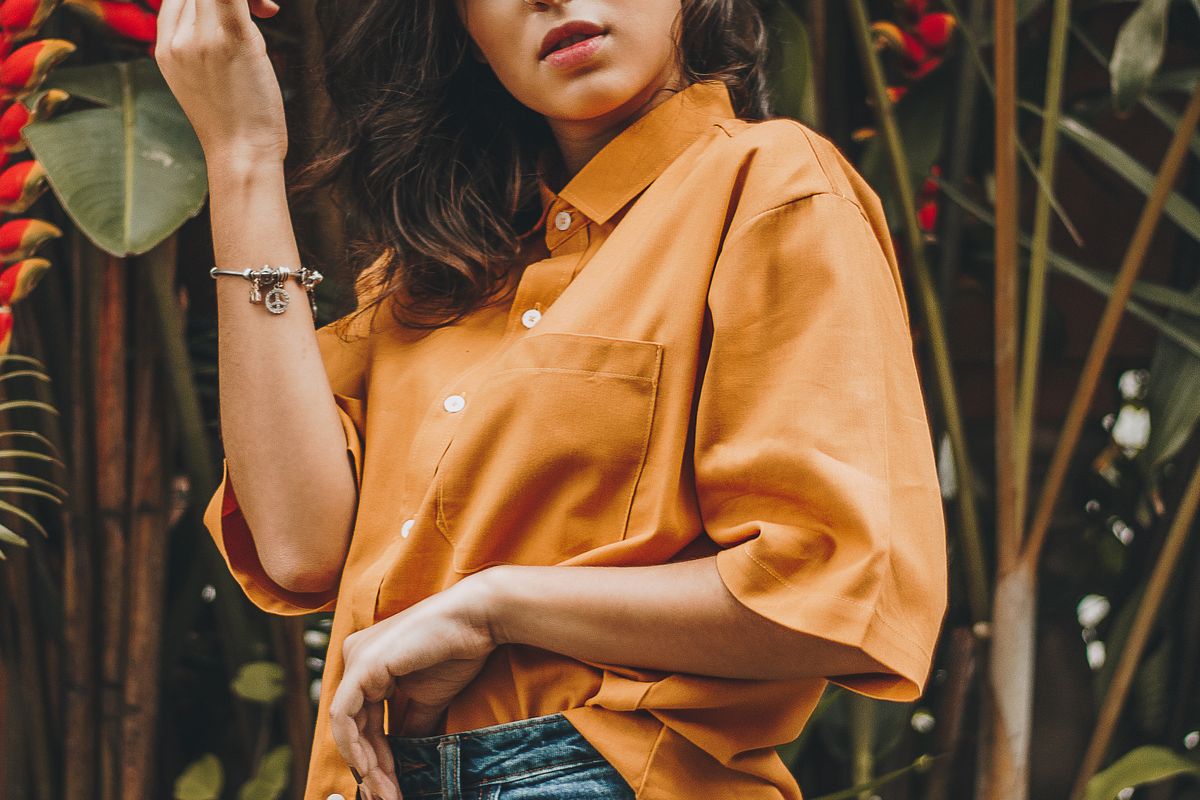
The catalogue rewards buying the core pieces the claims were built around. The Eileen in Italian Flannel is the entry point most people should start with — the relaxed cut the brand is known for, at $258 on the US storefront when we checked. The Wicklow in Italian Performance Twill at $298 adds a heavier, weather-resistant layer to the same design language. And the Montecito Sweater in Pure Italian Cotton at $398 shows what the LA-knitwear line does with the same sourcing discipline. If you use the referral links in the picks below, they route through the brand; current prices move, so treat our figures as a snapshot of November 2026.
Frank & Eileen suits a shopper who wants one excellent shirt instead of six adequate ones, and who is comfortable paying for named fabric and California sewing. It does not suit anyone expecting a certified supply chain across every category — the evidence is deepest exactly where the brand started, in shirting, and thinner everywhere it has since expanded.
Sources
The published materials behind this review are listed at the end of the page, including the B Lab profile, the brand’s impact report and the product pages we read for prices and construction details.
FAQ
- Is Frank & Eileen a sustainable brand?
- It is one of the better-documented mid-size American brands: a B Corp since November 2020 with a verified impact score, Italian fabrics traceable to the field of origin, and sewing done in Los Angeles. Most of the remaining evidence is self-published, so the honest answer is a strong product-level story with a company-level story told by the brand itself.
- Why are Frank & Eileen shirts so expensive?
- The published cost drivers are Italian woven fabric from a family-owned mill, cutting and sewing in Los Angeles rather than a low-wage production hub, and a small silhouette range refined over many seasons instead of a large trend catalogue. You are paying for fabric provenance and domestic labor; whether that is worth it depends on how much you wear the piece.
- Where are Frank & Eileen clothes made?
- According to the brand's published materials, woven shirts use Italian fabric from the Albini mill and are sewn in Los Angeles; the knitwear line is knit, sewn, washed and dyed in Los Angeles as well. The company is headquartered in California.
Our picks
This section contains affiliate links; we may earn a commission when you use them, at no extra cost to you.
Eileen in Italian Flannel
The benchmarkThe silhouette the brand is known for: a relaxed cut with soft rounded shoulders, no back pleat and a shirttail hem, in named Italian flannel from a family-owned mill. The version to buy first.
- + Named Italian mill and field-level traceability claim
- + Engineered women's cut with published fit details
- + Machine washable
- − Premium price for a cotton flannel
- − Relaxed cut runs generous — read the fit notes before sizing
Wicklow in Italian Performance Twill
For weatherA heavier Italian performance twill in the brand's shirt family, positioned for wind and shoulder seasons. Same Los Angeles sewing and OEKO-TEX-backed fabric sourcing as the core shirting.
- + Denser twill that works as a light jacket
- + Italian fabric with the same sourcing claims
- + Machine washable
- − Heavier hand than the flannel
- − Price sits between shirting and outerwear
Montecito Sweater in Pure Italian Cotton
Knit line pickThe knitwear capsule's showpiece in pure Italian cotton — knit, sewn, washed and dyed in Los Angeles according to the brand's materials. The pick for warm, machine-washable layering.
- + Cotton knit that machine washes
- + LA-made knit line
- + Natural fibre, no synthetics
- − Highest price of the three
- − Cotton knit relaxes faster than wool under heavy wear
The three picks, compared on what the brand publishes
| Eileen | Wicklow | Montecito | |
|---|---|---|---|
| Type | Relaxed button-up | Button-up | Crew-neck sweater |
| Fabric (as published) | Italian flannel | Italian performance twill | Pure Italian cotton |
| Price (US storefront, Nov 2026) | $258 | $298 | $398 |
| Where sewn (as published) | Los Angeles | Los Angeles | Knit, sewn, washed and dyed in Los Angeles |
| Certification shown | OEKO-TEX Standard 100 (Italian fabrics) | OEKO-TEX Standard 100 (Italian fabrics) | OEKO-TEX Standard 100 (Italian fabrics) |
| Best for | The all-year benchmark | Wind and weather | Warm knit layering |
Sources
Edited by
Dana Reyes
Researches garment construction, fibre content and brand sustainability claims. Ten years between the retail floor and editorial fact-checking.