Capsule Math: Five Pairs of Shoes That Cover Every Dress Code
Oct 3, 2026 · Dana Reyes
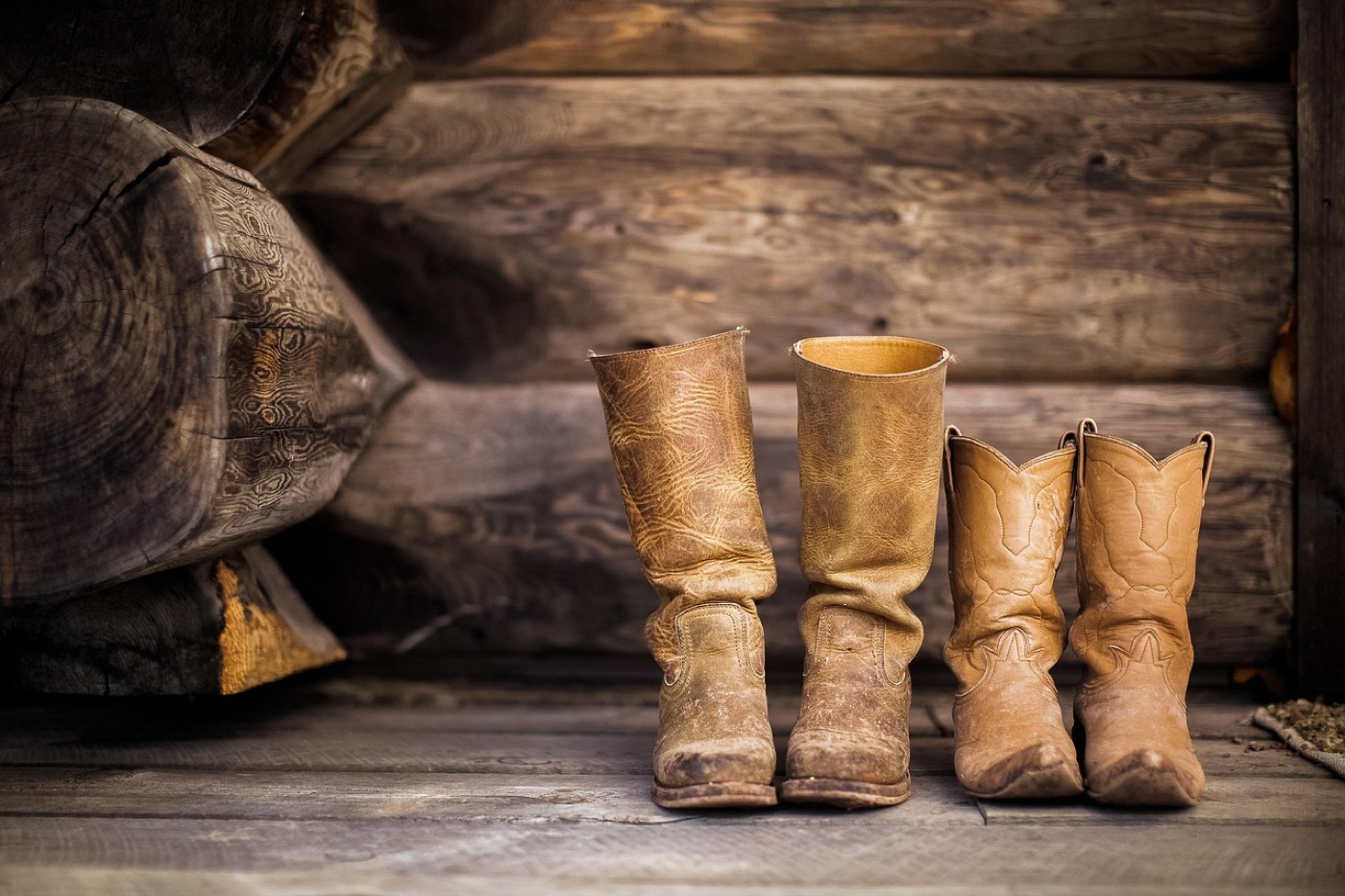
Shoes are the part of a capsule wardrobe where the math bites hardest, because a shoe failure is public. The wrong shirt is a private problem; the wrong shoe at a wedding, an interview or a funeral follows you into the room. That is why the five-pair calculation starts from occasions rather than outfits, and why this installment of the site’s capsule arithmetic ends with a specific list rather than a vibe. Five pairs, chosen on one condition each, cover nearly every dress code a working life throws at you. Here is the working.
Start from the occasions, not the shoes
List the situations you actually appear in. For most adults the list collapses to five: daily errands and casual life; work on its relaxed days; work on its formal days; social occasions with a dress code; and bad weather. That list is the entire specification. A shoe earns its slot by covering one line of it completely, not by covering three lines badly — a sneaker that almost works with tailoring is the single most common capsule mistake, because it quietly fails at two jobs while being adequate at none.
Pair one: the clean leather sneaker
The daily workhorse. White or off-white leather, low profile, minimal branding, a sole that is not cream-colored-chunky. The condition it must meet: it should look intentional with trousers, jeans and shorts alike, which rules out performance running shoes (built for a different job) and skate silhouettes with branding that argues with everything. Quality here is checkable at the seams and the sole attachment — our sustainable sneakers guide lists what to look for and which brands back their construction. This pair gets the most wears of the five, which means it is worth the most money per pair. Budget accordingly.
Pair two: the dark loafer or derby
The dress-code bridge. Dark brown or black leather, plain design, either a penny loafer (softer, works without socks in warm weather) or a simple derby (more formal, better with structured tailoring). The condition: it must pass at an office with a jacket requirement and at a nice dinner, and it should accept both trousers and heavier denim. This is the pair most people skip and then rent from circumstance — borrowing shoes, wearing sneakers where sneakers lose. If your work wear leans tailored, make it the derby; if it leans smart-casual, the loafer does more days of work per year.
Pair three: the weather boot
One boot, chosen by climate rather than catalog. The condition: it handles the worst three months of your year without complaint and looks deliberate with both jeans and wool trousers. A leather boot with a stitched or welted construction can be resoled — our leather shoe care guide covers why that single feature separates a ten-year boot from a two-year one. Shearling-lined and rain-specific boots are real needs in hard climates, but they are additions to the system, not the slot itself. The slot’s job is versatility through winter, not maximum specialization.
Pair four: the season gap
The fourth slot depends on where you live, and this is where the calculation gets honest. Warm-climate readers: a leather sandal that passes in social settings. Cold-climate readers: a proper insulated or waterproof option for the months the boot cannot. Mild-climate readers with dressy summers: a canvas sneaker or an espadrille for the months between. The condition is the same in all three cases: it covers the season your first three pairs leave exposed. A wardrobe missing this slot spends June through August wearing pair one into the ground.
Pair five: the code-specific shoe
The final pair exists for the strictest dress code in your life, and only you know whether it is a black oxford, a formal heel, or — more often than the industry admits — nothing at all. If your calendar contains fewer than two black-tie-adjacent events a year, leave the slot empty and hold the money; a null slot is a legitimate answer in capsule math. The calculation that matters: (a pair’s annual cost) ÷ (events it serves). A formal shoe worn twice a year must be bought very cheaply or very well, because it lives between those two failure modes.
The totals, and where the overlap is wasted
Run the coverage table and something useful falls out: pairs one through three should be color-compatible with each other, because that is what turns five pairs into one system rather than five separate purchases. Two tests make the compatibility concrete. First, hold the three daily pairs against the coat you wear most; if none of them fights it, the system works. Second, check the soles and uppers share a family of tones — a white sneaker, a mid-brown loafer and a dark boot cover the range without any pair clashing with the others. The wasted overlaps to watch for are a second sneaker before pair two exists, a light-colored boot that competes with pair three, and any shoe bought for an occasion that appeared once in your calendar and will not appear again. A capsule is not a number; it is coverage with no duplicated lines.
Cost per wear closes the case, and it rewards patience. The five-pair system fronts more money than the register-impulse approach, then wins every year after: a well-made sneaker resoled or rebuilt where its brand allows, a welted boot that our leather shoe care guide keeps alive for a decade, and a loafer that outlives three fashion cycles each beat their cheap counterparts on a per-wear basis long before year two. The system also changes how you shop for the pairs themselves. When a slot is defined by a condition rather than a craving, you can wait for the right shoe at the right price, because the gap it fills is already named. That is the quiet superpower of any capsule arithmetic — purchase decisions made in advance, when you are calm, instead of at the checkout, when you are not.
And the fixed ending this column owes you — the one to add first: if you currently own only sneakers, add the loafer or derby. It unlocks the most occasions per dollar, and it is the pair whose absence is most expensive to discover on the morning it is needed. Our one blazer, five ways piece plays the same coverage game with tailoring, and the capsule wardrobe formula puts shoes into the wider count. Five pairs, five conditions, one system. Everything past that is taste, and taste has never needed help from a math column.
FAQ
- Can I get by with fewer than five pairs?
- Four is workable if your life is casual-heavy: sneakers, boots, loafers, and one dress-coded shoe. The fifth pair earns its place only if you regularly face both hot weather and a second dress code. Below four, something in your week always compromises.
- Should the sneaker be leather or canvas?
- For a five-shoe wardrobe, leather. It survives rain, wipes clean, and reads with tailoring in a way canvas does not. Canvas is a fine sixth pair for summer; it is a weak only-sneaker.
- How do I pick the dress shoe color?
- Match your belt and the dominant color of your cold-weather outerwear. Dark brown is the more forgiving choice for most wardrobes; black only wins if your tailoring and outerwear are predominantly black or charcoal.
Edited by
Dana Reyes
Researches garment construction, fibre content and brand sustainability claims. Ten years between the retail floor and editorial fact-checking.